Development Practices for Civil Society Organizations
Preserving the environment and promoting water sustainability
Association for Integrated Health Care for Cancer Patients in Dakhla
Objectives of the Goal
Preserving the environment and promoting water sustainability
Association for Integrated Health Care for Cancer Patients in Dakhla
Egypt - New Valley
The problem addressed by the practice :
Water shortages, difficulty obtaining it, and the high cost of drilling underground wells.
The geographical nature of the place, the rugged land, and the high costs of reclamation.
The cost of constructing an irrigation network High
High cost of energy delivery (whether solar energy or electricity)
Lack of underground reserves, due to extremely high temperatures, increased evaporation rates, and climate change
Increasing the percentage of iron and mineral salts in the water, especially since New Valley Governorate depends on well and spring water as a main source. For drinking.
The high cost of periodic maintenance and spare parts prices for the network.
Water needs filtration and purification Until it reaches human use and the use of humans as well as animals in the animal production project
Practice objectives:
General purpose
Saving groundwater, which is considered a basic source of life in the New Valley Governorate, and also the profits of the agricultural project are a constant resource for treating cancer patients without relying mainly on donations, and supporting the association’s projects that serve cancer patients.
Interim goals
Preserving underground reserves and rationalizing water consumption
Preserving the environment, (clean energy, expanding agricultural areas, etc.)
Helping the association develop its resources that serve cancer patients
Save energy and reduce irresponsible consumption
Activating tourism in the New Valley Governorate, and introducing the governorate to the city (tourist trips, sand burials, groundwater hospitalization, etc.)
Providing job opportunities for young men and women and providing them with a decent life
Supporting the association's projects and providing sustainable resources for them (Diab Specialized Hospital Project, Chemotherapy Unit, Maak Center for People with Special Needs, Wahati Center for Handicrafts, Committee Zakat (Bayt al-Mal))
Recovery from life pressures and psychological and family problems (making trips for families, trips for schools, etc.)
Attention to aromatic and medicinal plants, which contribute to treatment.
The sustainable development goals that practice has contributed to achieving.
Clean water and hygiene
Poverty Eradication
Clean and Affordable Energy
Decent work and economic growth
Responsible consumption and production
Climate Action
Forging partnerships to achieve goals
The results achieved by the practice:
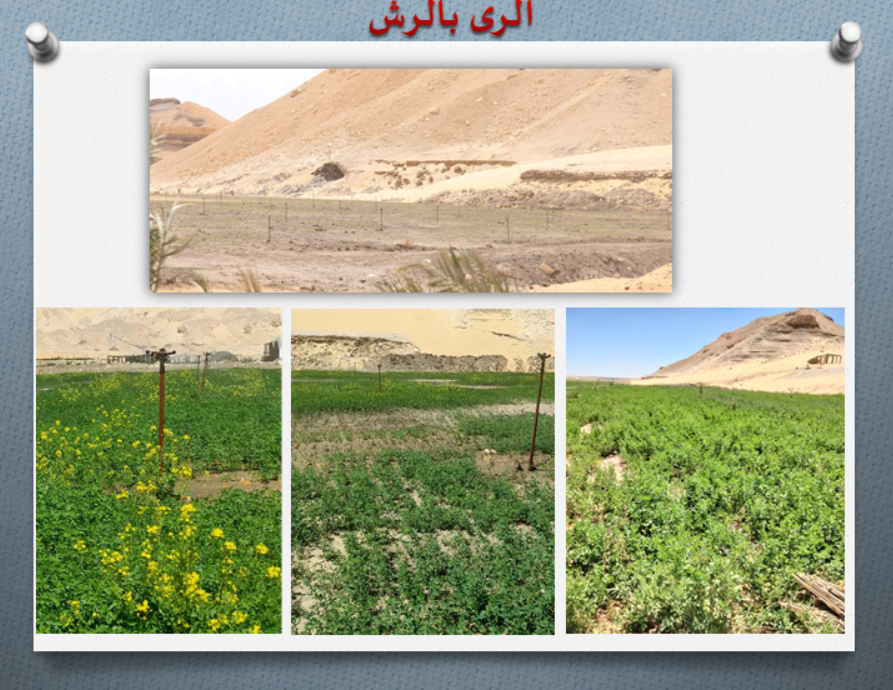
Significant water savings: Up to 50% compared to the first stage, which is flood irrigation.
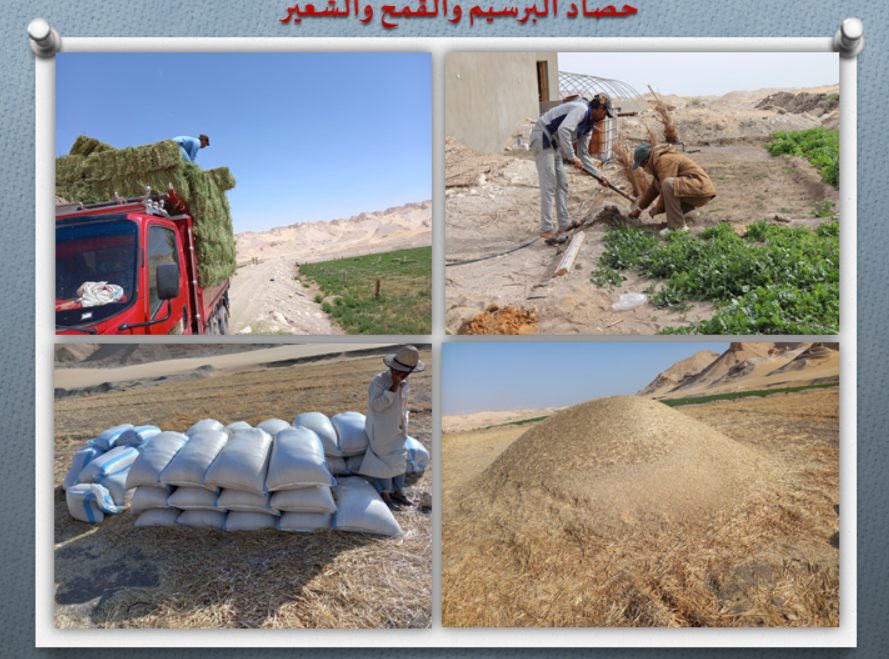
Increasing agricultural productivity Up to 30%.From alfalfa, vegetables, medicinal and aromatic plants
Improve crop quality
Improving income and increasing profits from the project
Maintaining soil fertility.
Provides water throughout the day for irrigation, which contributes to improving crop quality and increasing productivity.
Attracting donors through palm shares or donors.
For filtering stations:
Reducing the suffering of patients in purchasing mineral water
Solidarity and cooperation among the village people in delivering water to the homes of patients who are medically and financially incapable.
Improving the health condition of most cases that suffer from an increase in salts in the body.
Achieving economic development and service returns from the project.
The time period of the current exercise/situation (ongoing - finished).
Since the beginning 5 years / Ongoing
Partners: None
Development activities and interventions
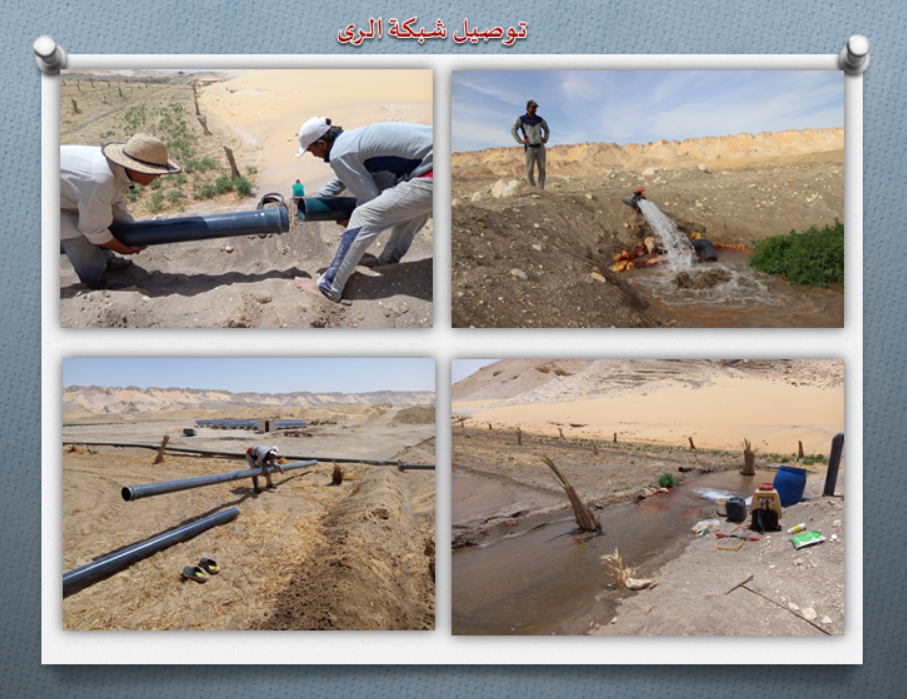
Includes Modern Irrigation Networks Project A wide range of interventions aimed at improving water use efficiency, increasing agricultural productivity, preserving water resources and optimally exploiting them As follows:
Irrigation systems modernization:
Periodic maintenance: Perform regular maintenance of ducts to identify and repair any leaks or damage.
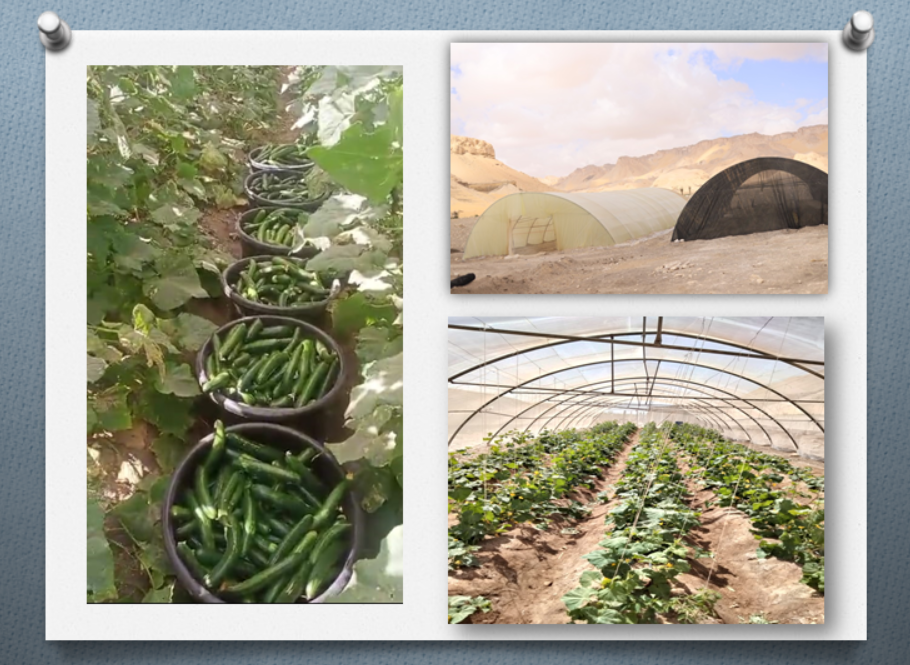
Made 2 greenhouses for vegetables, and 2 greenhouses for palm seedlings.
Training programs for farm workers: Organizing training programs for farmers on best irrigation and water management practices.
Spreading awareness of the importance of rationalizing water consumption among farmers and the local community.
Taking advantage of technology Like : Geographic Information Systems (GIS): UseGIS To map irrigation areas and accurately determine water needs.
Mobile applications: Developing mobile phone applications to facilitate communication with farmers, making the necessary advertisements, and following up on stock deeds with donors.
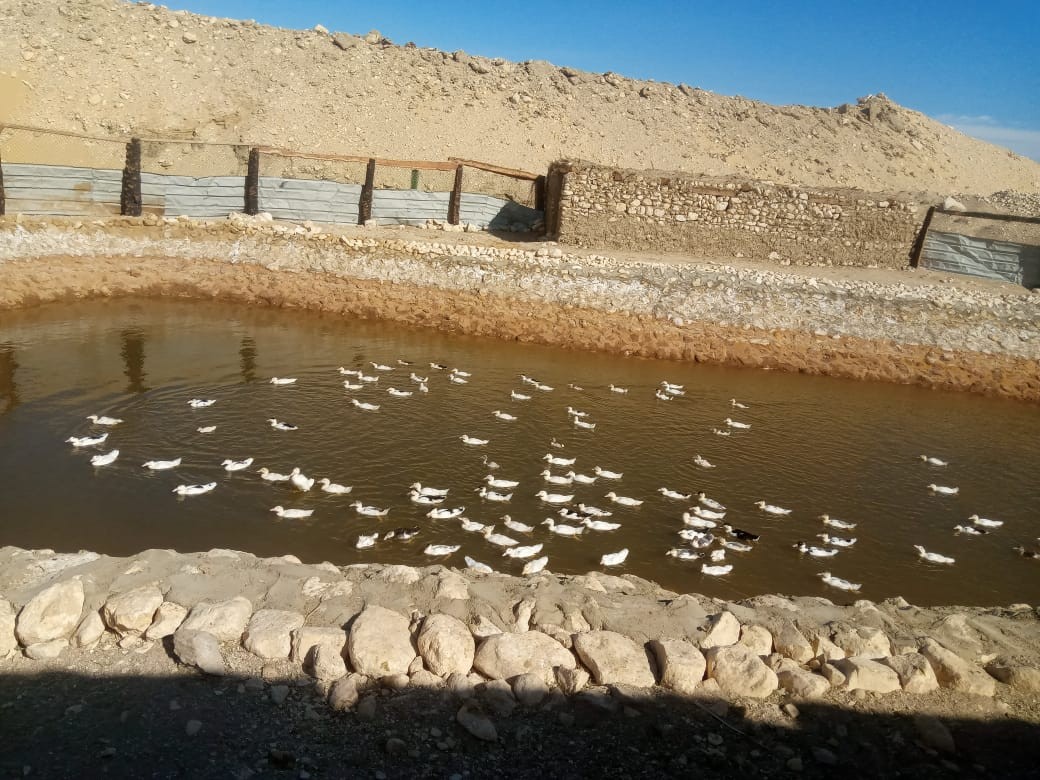
Store surplus water from irrigation in a large basin, raise ducks and fish, grow Azolla plants in this basin, and re-pump that water loaded with fertilizers for irrigation at night.
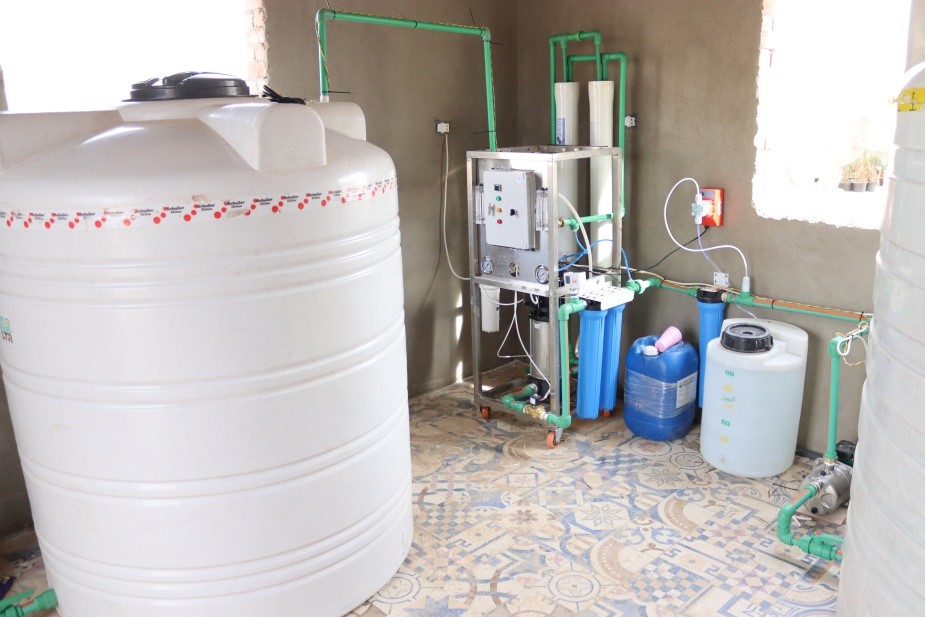
A filtration station with a reverse osmosis system was installed to purify and filter well water to make it suitable for human and animal use. The idea was also applied and circulated to 10 villages to serve citizens, especially patients with kidney failure, and to provide pure filtered water instead of purchasing mineral water. It was installed on regular drinking water. The resulting water from washing the station’s tanks is drained to irrigate wooden trees.
By moving from flood irrigation to more efficient systems: Such as drip irrigation and sprinkler irrigation, water is delivered directly to the root zone, reducing evaporation and seepage.
The results of this stage:
1- Cooperating with the Federal Embassy of Germany and gaining the trust of donors and donors.
2- A monthly return that is deposited into the project account to spend on project resources and support cancer patients.
3- Cooperation with the Consumer Agricultural Association to supply the project’s products (vegetables and alfalfa) and help small producers and farmers.
4- Disseminating the association’s idea (making agricultural greenhouses with palm trunks) throughout the surrounding region and implementing it in new youth projects, due to the low cost compared to ready-made greenhouses, and also based on our belief in preserving the environment and re-utilizing and recycling resources.
This stage was an incentive to launch expansions to complete the project and develop it permanently because we saw a clear and tangible impact on the success of the project.
The third stage: Implementation in progress
Reclaiming a new area of 4 acres for agriculture and creating a drip irrigation network
Making water connections to the network
Planting 350 palm seedlings
Bath Finishing
Make a lake to store water and use it to raise ducks, and a fish farm at the same time
Completion of the bathroom towers
Purchase an electricity generator to increase the performance of the irrigation network in anticipation of unfavorable weather conditions that affect the operation of solar energy.