Development Practices for Civil Society Organizations
Suqia initiative
Together for Good Gateway Association for Community Development in Fayoum
Objectives of the Goal
Suqia initiative
Together for Good Gateway Association for Community Development in Fayoum
Egypt - Fayoum
The problem addressed by the initiative: :
Fayoum Governorate, with a population of approximately 4 million people until 2023 AD, suffers from continuing problems with drinking water and sanitation, despite concerted efforts to solve this problem, but a large percentage of the population still suffers from a lack of clean water and sanitation services, as a study conducted by the Center for Social Research at the American University in Cairo indicates that Fayoum residents still suffer from problems with water pressure and sanitation, despite the efforts made to improve these. Services.
Whereas:-
40% Many families in villages lack a clean and safe water source.
70% The current water network is dilapidated or unfit to deliver clean water.
The cost of delivering water to one family exceeds the financial capabilities of the majority of poor families.
50% Among the diseases spread among children are caused by water pollution, such as (hepatitis, polio, diarrhea), and there are also health practices that cause the spread of diseases, such as (storing water due to weak water pressure, which leads to its contamination with bacteria and chemicals, and the low rate of chlorine, which makes it more polluted.
So the practice targets the neediest villages in Fayoum, for example, the villages of (Abaza - Al-Bagouri - Al-Abaadiyya - Kahk - Sar Al-Basil - Al-Jabaliya), which targets more than 5,000 families in the villages. The most needy.
The objectives of the initiative Target General
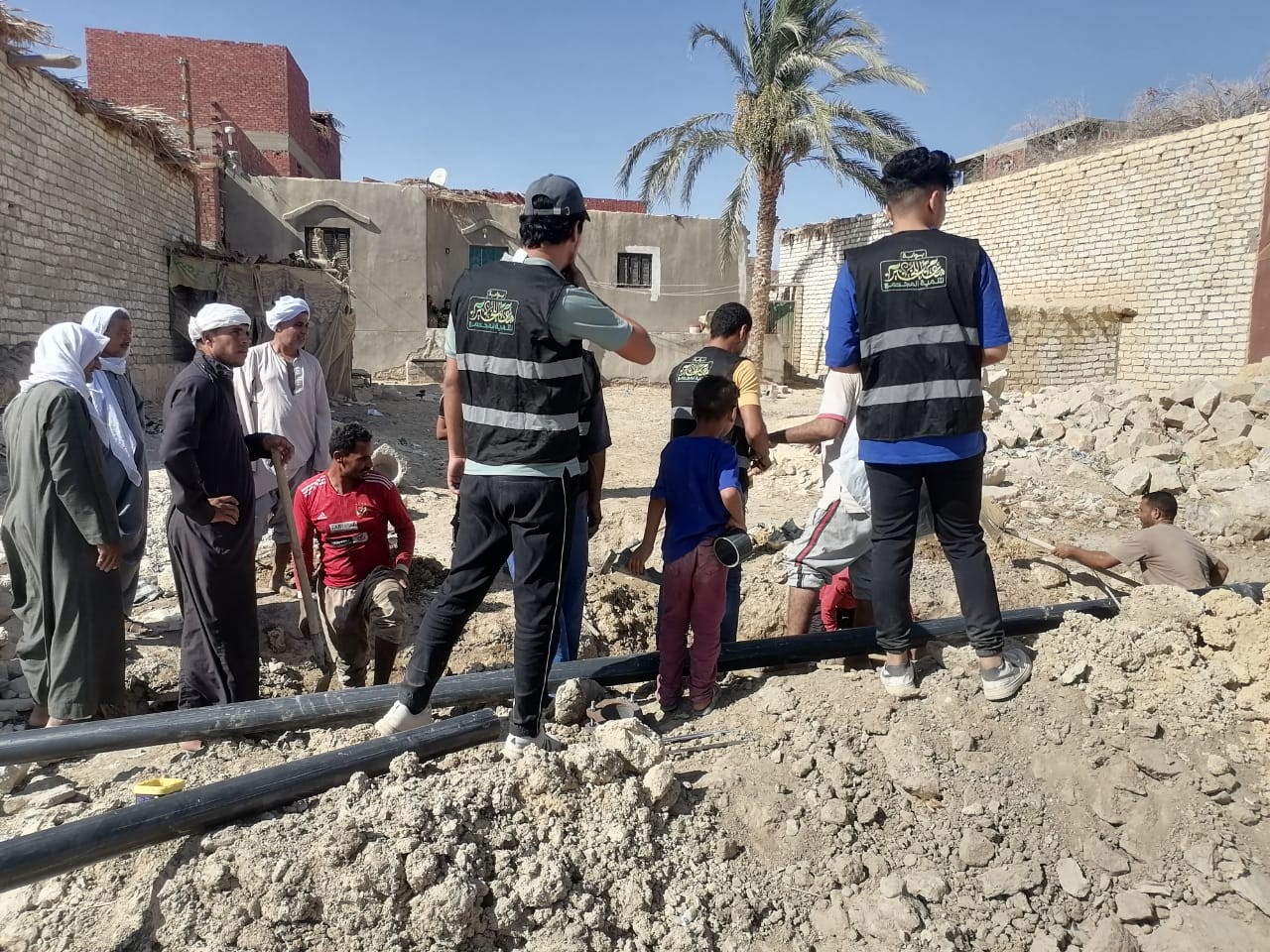
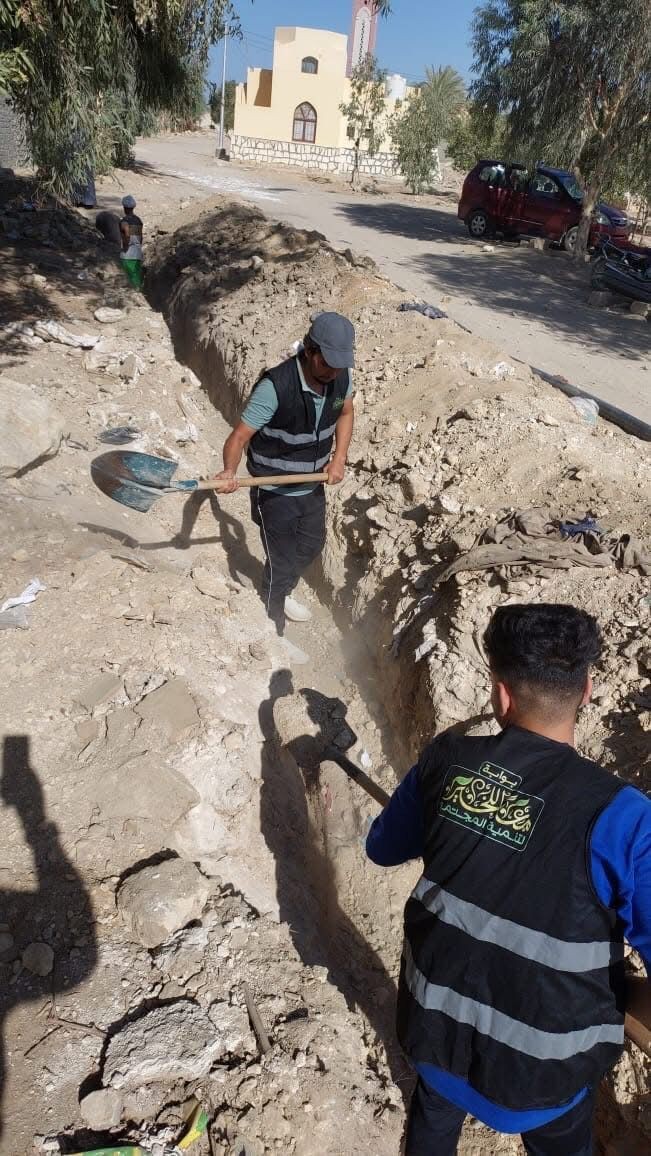
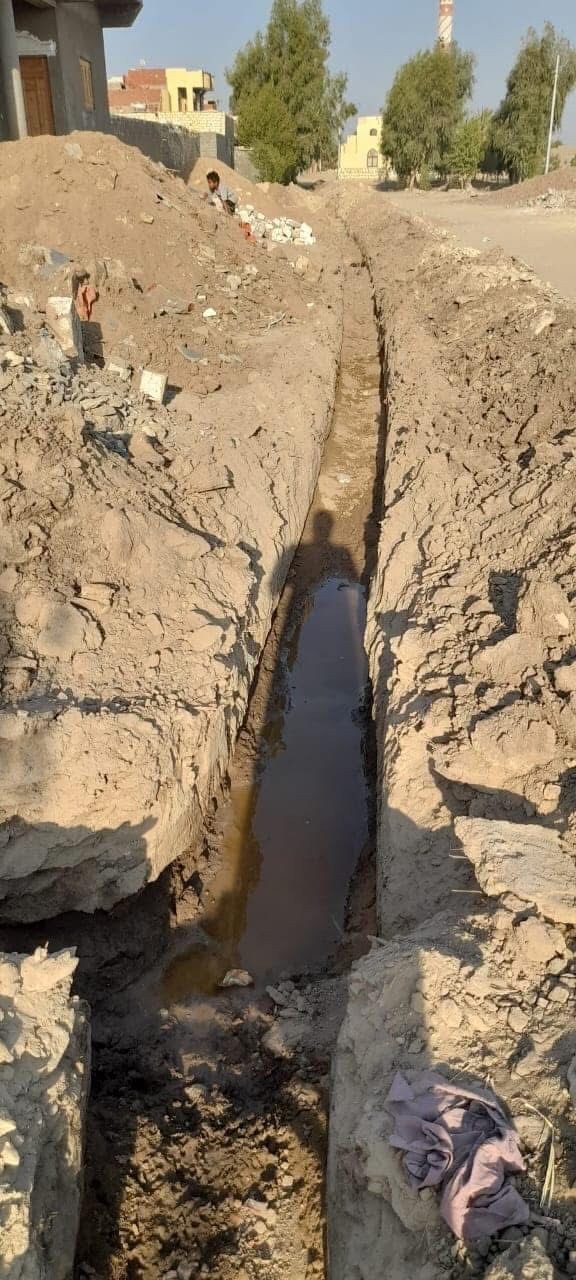
Installation of 10 main water lines in the most needy villages in Fayoum Governorate by 2025.
Organizing 20 awareness workshops on rationalizing water consumption and maintaining its cleanliness by 2025.
Installation of appropriate sewage systems for 160 people houses in the targeted villages by 2025.
Providing metered clean water connections for 160 eligible families in remote villages in Fayoum Governorate by 2025
Building the capabilities of the project team and improving the quality of performance in achieving goals.
The sustainable development goal that the initiative contributed to achieving The sixth goal: clean water and hygiene)) Ensuring the availability and sustainable management of water and sanitation services for all.
The results achieved by the initiative:
Access to clean and safe water was improved in the villages of Abaza and Al-Bagouri in Fayoum Governorate, which contributed to serving 800 families and enhancing the quality of life of the target population.
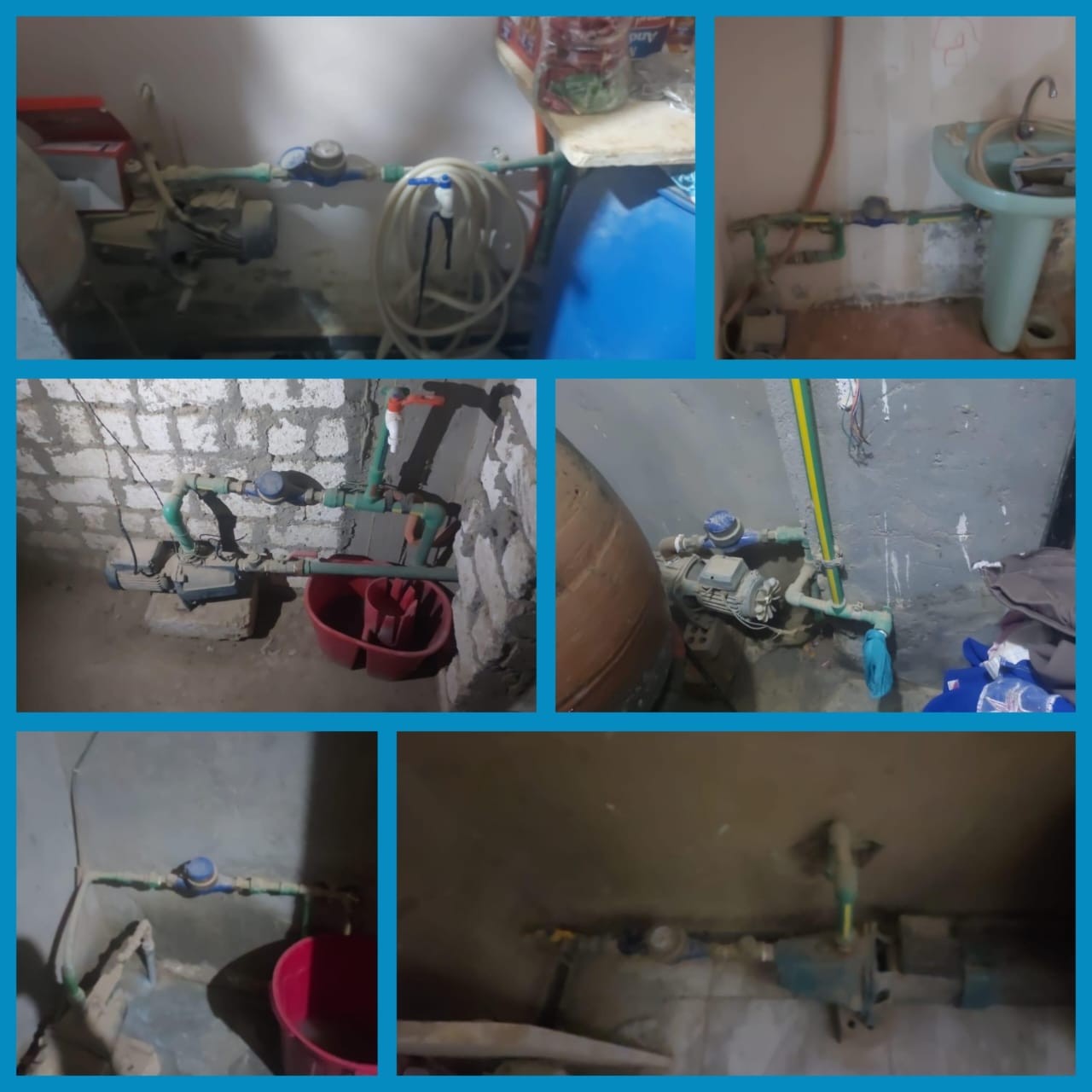
40 domestic water connections were established for eligible families In the Tamiya Center in Fayoum Governorate, which contributed to ensuring constant access to clean water Majalla";font-size:16.0pt;">40 sanitation connections were implemented for the most vulnerable families in the Tamiya Center in Fayoum Governorate, which contributed to improving the quality of life and environment for the beneficiary families.
General results of the initiative:-
Providing clean and safe water services to more than 5,000 people in the targeted villages.
Delivering clean and safe water services to 400 of the most needy homes.
Serving more than 1,250 students by improving water supply in schools.
Serving more than 500 people daily in Dur worship, which contributes to improving their daily experience by providing safe water and eliminating the use of tanks Majalla";font-size:16.0pt;">Improving the general health of beneficiary families by reducing diseases resulting from lack of sanitation services.
The time period of the genocide / the current situation (ongoing - ended).
2 years / Ongoing
: Fayoum Water and Sanitation Company
Identifying the villages most in need through a field survey and evaluation studies of the targeted villages.
Providing the necessary materials and equipment to implement the main water lines for 6 villages in Fayoum Governorate.
Implementing installation work in cooperation with local authorities to ensure quality and efficiency ( Local Units and the Water and Sanitation Company. style="line-height:107%;" lang="AR-EG">Designing interactive awareness materials about rationalizing water consumption and preserving it.
Organizing 20 workshops in schools and community centers with the participation of specialists.
Evaluating the impact of the workshops by measuring the change in participants’ awareness
Contracting with specialized engineering teams to install sanitation systems.
Installation of 400 water connections in accordance with health and environmental standards.
Providing 400 meters to ensure consumption monitoring Water and promoting conservation.
Organizing specialized training courses for the work team in the areas of planning and implementation.
Providing technological tools and platforms that contribute to improving performance and project management.
Periodic evaluation of performance to ensure that goals are achieved efficiently and effectively.