Development Practices for Civil Society Organizations
Sustainability spring: clean water without waste
Charitable Association for Community Development in Al-Salem Al-Bahariyya
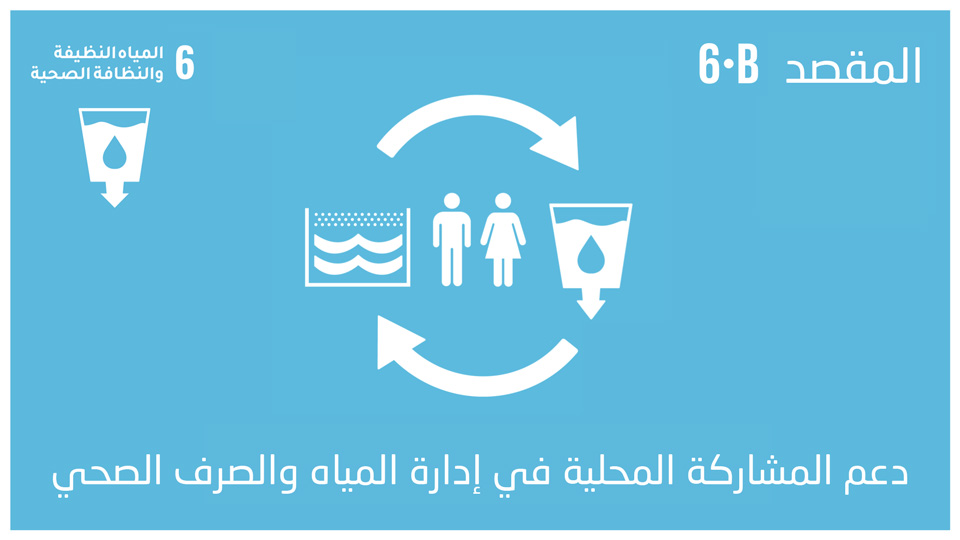
Objectives of the Goal
Sustainability spring: clean water without waste
Charitable Association for Community Development in Al-Salem Al-Bahariyya
Egypt - Assiut
Charitable Society for Community Development in Al-Salem Al-Bahriyah A non-profit civil society association that seeks to support community development and improve the living conditions of families most in need by building the capabilities of human cadres capable of building a strong society dominated by social justice, human and ethical values, and support for the culture of work and land reconstruction, which brings goodness and security to communities in light of and in fulfillment of Egypt’s 2030 vision. For the Sustainable Development Goals.
The problem addressed by the practice: :
Abnoub Center is one of the centers in Assiut Governorate in Upper Egypt. It is considered one of the centers with a high population density, with a population of about 400,000 people according to the latest population censuses. The center is characterized by the presence of fertile agricultural lands that rely on water as a primary resource for irrigation, but it faces great challenges in providing clean drinking water and sustaining water resources. Abnoub Center is one of the centers that suffer greatly from water pollution problems. And its waste, as it depends on local water resources such as underground wells and polluted canals, which places it in an advanced position in terms of the need to improve the water situation compared to the rest of the governorate centers dir="RTL"> Water problems in Abnoub center
1- Water Pollution
About 10% of families in some villages in Abnoub Center suffer from water pollution, as residents depend mainly on groundwater that contains pollutants, which exposes them to health risks.
Studies indicate that 50% of the canals used to irrigate agricultural lands in the center contain levels. 4.5pt;text-align:justify;unicode-bidi:embed;" dir="RTL">High bacterial contamination, resulting from untreated sewage discharge
More than 60% of the center's groundwater wells contain high levels of pollutants such as nitrates and toxic chemicals, which makes this water unfit for human use according to international groundwater standards
2. Water wastage in agriculture:
Agricultural water consumption: 90% of the total water in the Abnob Center is used for agricultural purposes, and the percentage is estimated
Waste of agricultural water is about 40% due to the use of traditional irrigation systems such as flood irrigation
Efficiency of irrigation systems:
About 20% of the agricultural land in the center uses modern irrigation systems such as drip irrigation, while still
The majority of lands depend on flood irrigation, which contributes to significant water waste.
Hydrocrops:
Water-intensive crops are grown in some areas of the center, which leads to additional pressure on resources
Available waterways in the region
3. Health effects:
The spread of water-borne diseases Due to water pollution, the spread of diseases such as typhoid and acute diarrhea is recorded
In some areas of Abnoub Centre, where 15% of the population suffers from health problems related to contaminated water, failure
Renal The center suffers from a 20% increase in cases of kidney failure as a result of water pollution and high levels of minerals
Toxic substances such as arsenic in some wells
Practice objectives:
General Objective
Reducing water waste and providing clean water to the neediest families
Interim goals
Developing field irrigation and modern irrigation systems
Lining canals to prevent water waste and ensure clean water reaches crops
Educating and raising farmers' awareness of using modern methods of irrigation
The goal of sustainable development that practice has contributed to achieving. 4.5pt;text-align:right;unicode-bidi:embed;" dir="RTL">Eradicating Poverty
Through economic empowerment through lending for field irrigation development and ensuring equality between men and women (especially female breadwinners) in obtaining economic resources, as the percentage of women beneficiaries in the association’s general lending program reached 97%
Increasing crop productivity (improving agricultural production) by raising awareness of the use of modern irrigation methods
Providing a safe opportunity to obtain a clean water connection to ensure a healthy life
Zero Hunger
By establishing modern agricultural methods in developing field irrigation of ancient lands (modern irrigation)
Providing healthy lifestyles by delivering clean water to homes for use in food, drinking, and hygiene
which ultimately contributes to providing food security
Good health and well-being
Its basic component is obtaining safe drinking water through water connections
Quality Education
Through awareness and education seminars to deal with the environment and the use of modern methods and agricultural extension that accompanied the three components of the project, which enhance environmental awareness, equality, and the ability to address climate-related risks
Increasing productivity through the use of modern methods ensures the provision of sources of income for families whose source of income is mainly dependent on agricultural production
Clean water and sanitation services
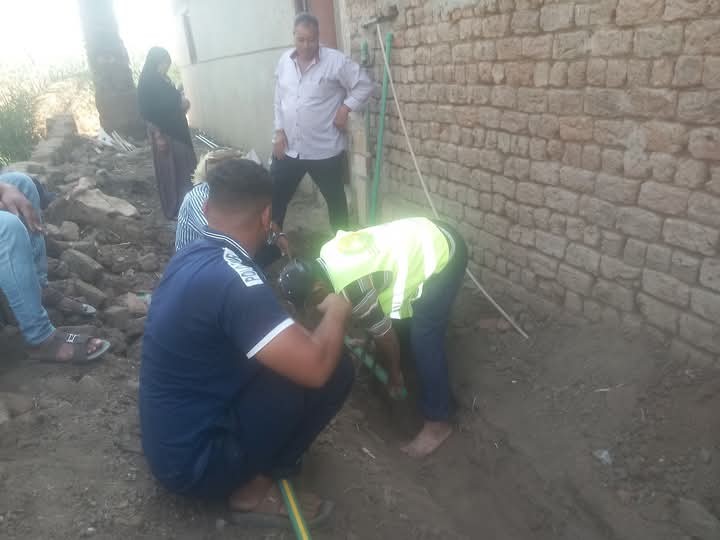
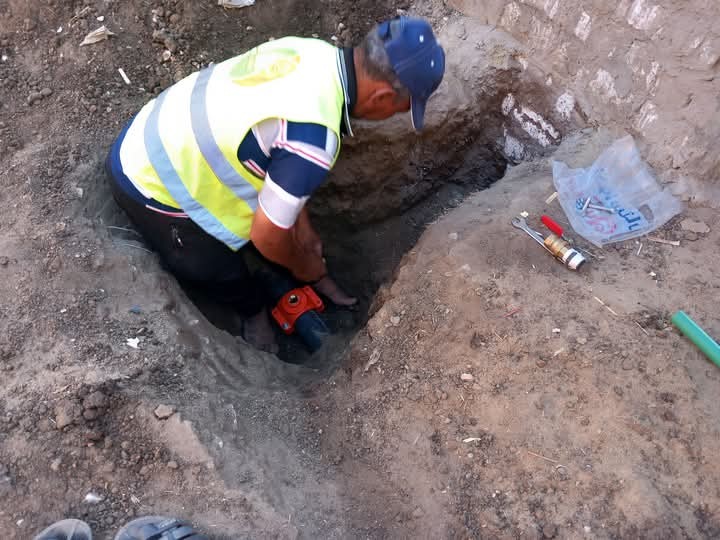
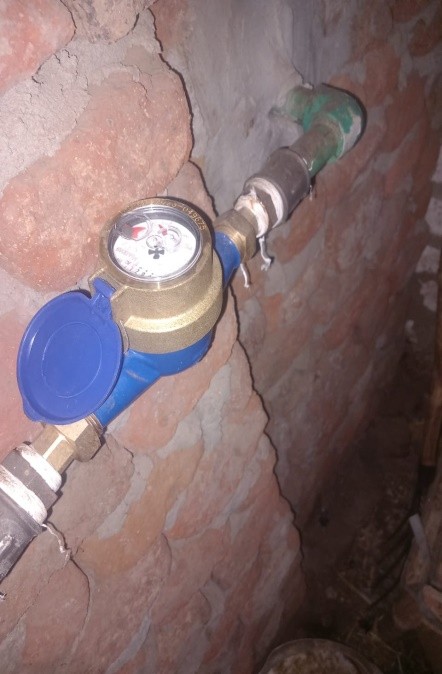
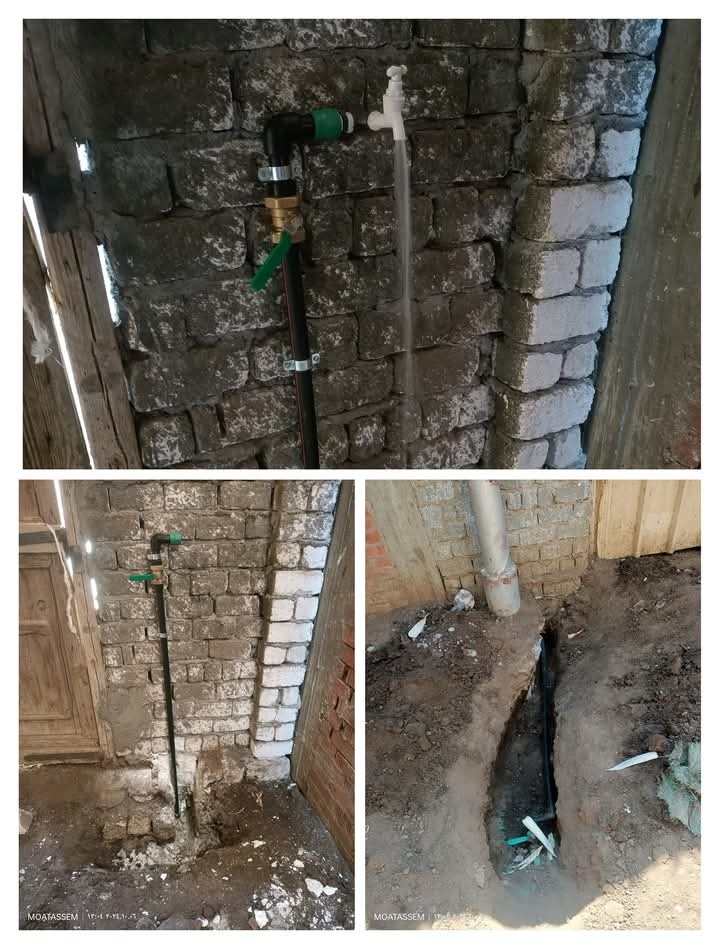
Access to safe water, sanitation, and hygiene services is one of the most basic human needs for his health and well-being. Therefore, the association provided 100 water connections (mechanical water meter) and is still working for the fourth year in a row to provide clean water to eligible homes and families
Forging partnerships to achieve goals
Partnership with the Drinking Water and Sanitation Company, the Enterprise Development Agency, and the Directorate of Agriculture and Networking with the association’s other activities to achieve the goals and maximize benefit.
Providing clean water through :
A cooperation protocol was concluded with the Assiut and New Valley Water and Sanitation Company and renewed annually over a period of 3 years and is still ongoing
Delivery of 100 drinking water connections to homes for the families most in need, in accordance with the criteria and conditions of selection according to the cooperation protocol
Providing 80 mechanical water meters for eligible families so far
Work is still ongoing and receiving household requests to connect water and meters and conduct inspections to match eligibility
Reducing water waste
Concluding a cooperation agreement with the Directorate of Agriculture in Assiut to implement the activities of the project to enhance climate resilience and food security to improve the standard of living conditions, funded by the World Food Program in cooperation with the Project Management Unit in Luxor, to line the paths to reduce water waste in agriculture
Create an association for large and small farmers to follow up on the implementation of lining the irrigation ditches
Lining a 410-meter-long irrigation ditch on an area of 30 acres, benefiting 37 farmers directly
Signing a cooperation protocol with the Micro, Small and Medium Enterprises Development Agency to implement the activities of the field irrigation development project in the old lands
600 direct beneficiaries have been granted so far a revolving loan repaid in installments for a period of one year or 18 months for the development of waterways and field irrigation
Providing awareness, education and agricultural guidance to farmers to use modern methods of irrigation and introducing new agricultural crops to increase productivity and improve income for the farmer
The results achieved by the practice:
The results achieved by the practice:
The results achieved by the practice:
The results achieved by the practice:
The results achieved by the practice:
The results achieved by the practice:
The duration of the current practice/situation (ongoing - finished).
Since 2017 AD / Ongoing
Partners: Micro, Small and Medium Enterprises Development Agency, Assiut and New Valley Water and Sanitation Company, East Abnoub Water District Sector, Luxor Project Management Unit, Assiut Agriculture Directorate, Community Leaders of Large and Small Farmers
Development activities and interventions