Development Practices for Civil Society Organizations
Project (Water is Life)
Muhammad Al-Nadi Charitable Foundation
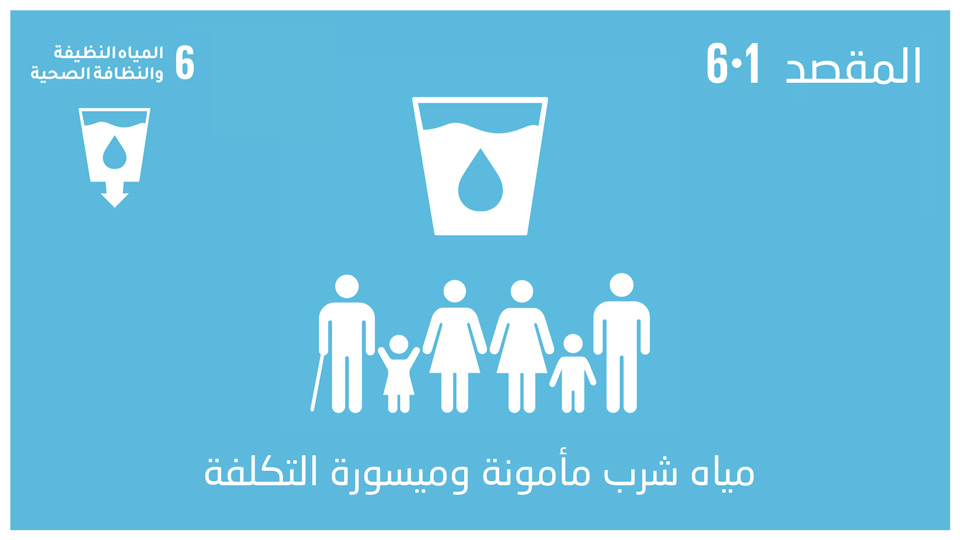
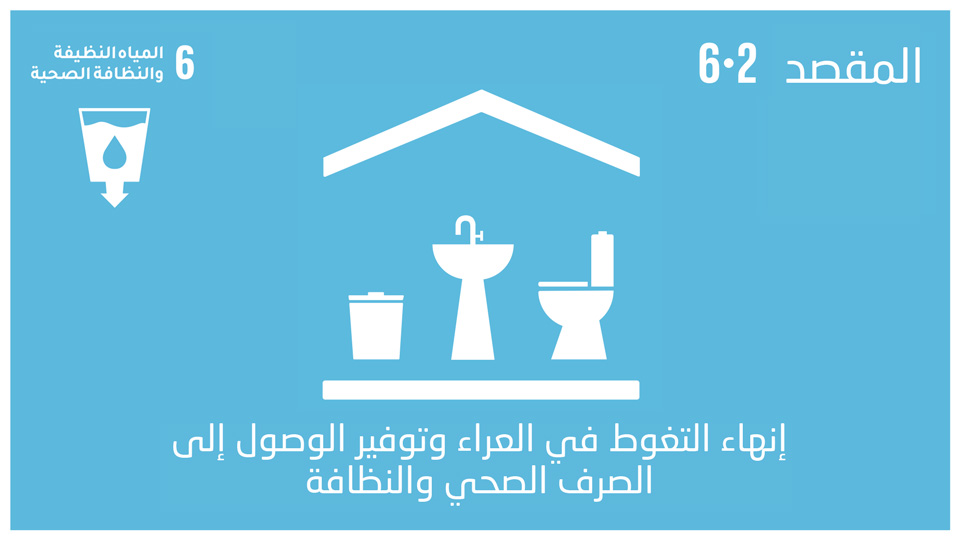
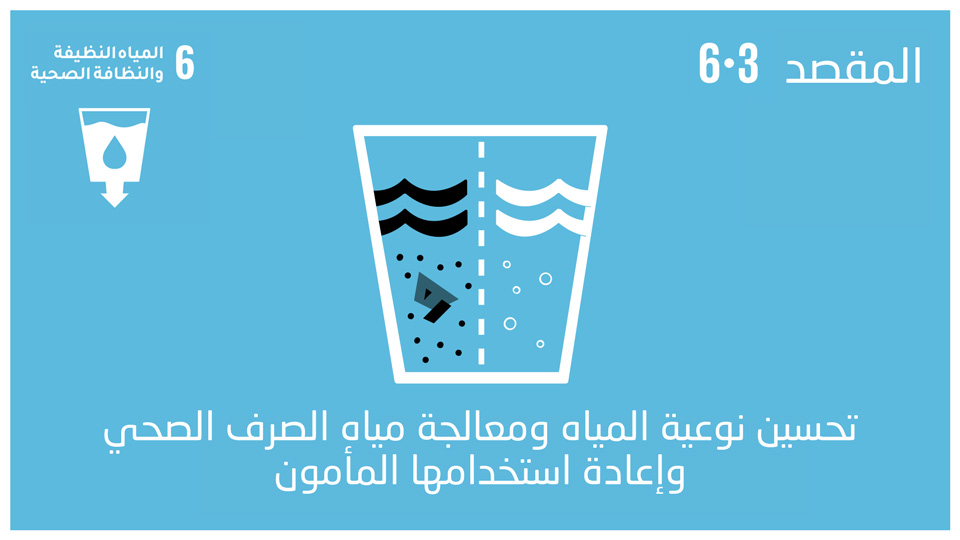
Objectives of the Goal
Project (Water is Life)
Muhammad Al-Nadi Charitable Foundation
Egypt - Aswan
About the association (institution):
The Muhammad Al-Nadi Charitable Foundation is a non-profit, charitable, humanitarian institution whose benefit extends to everyone. It was established
In accordance with Law (84) of 2002 AD and its executive regulations It was registered under No. (880) of 2007 AD in Aswan, under the supervision of
And the supervision of the Ministry of Social Solidarity It operates in accordance with Law No. 149 of 2019 AD. With the unified number for the electronic system: 22261100200403 Public benefit
(Pursuant to Resolution No. 404 of 2009 AD).It was established and sponsored by its founder, Muhammad Al-Nadi, in cooperation with volunteer individuals who contributed time, effort, ideas, and money, and united them in a love of goodness, serving society, and all people.* The Muhammad Al-Nadi Charitable Foundation was established in the village of Al-Ghunaimiyah, Edfu Center, Aswan Governorate, which is a densely populated village High, lacking service institutions
cultural and social. A vision and mission have been formulated and goals have been set for the institution to keep pace with Egypt’s Vision 2030 and achieve the goals of sustainable development.
The problem addressed by the practice
More than (1,000) families from the village of Al-Ghunaimiyah in Edfu Kebili (a third of the total families) suffer from deprivation of clean drinking water and most of the available water does not meet the requirements and standards
health, the lack of human bathrooms and the lack of awareness of the importance of personal, public and environmental health) which directly affects their health, well-being, and economic and social development,
It exacerbates the problem of multidimensional poverty.
The Foundation has worked to solve this problem through:
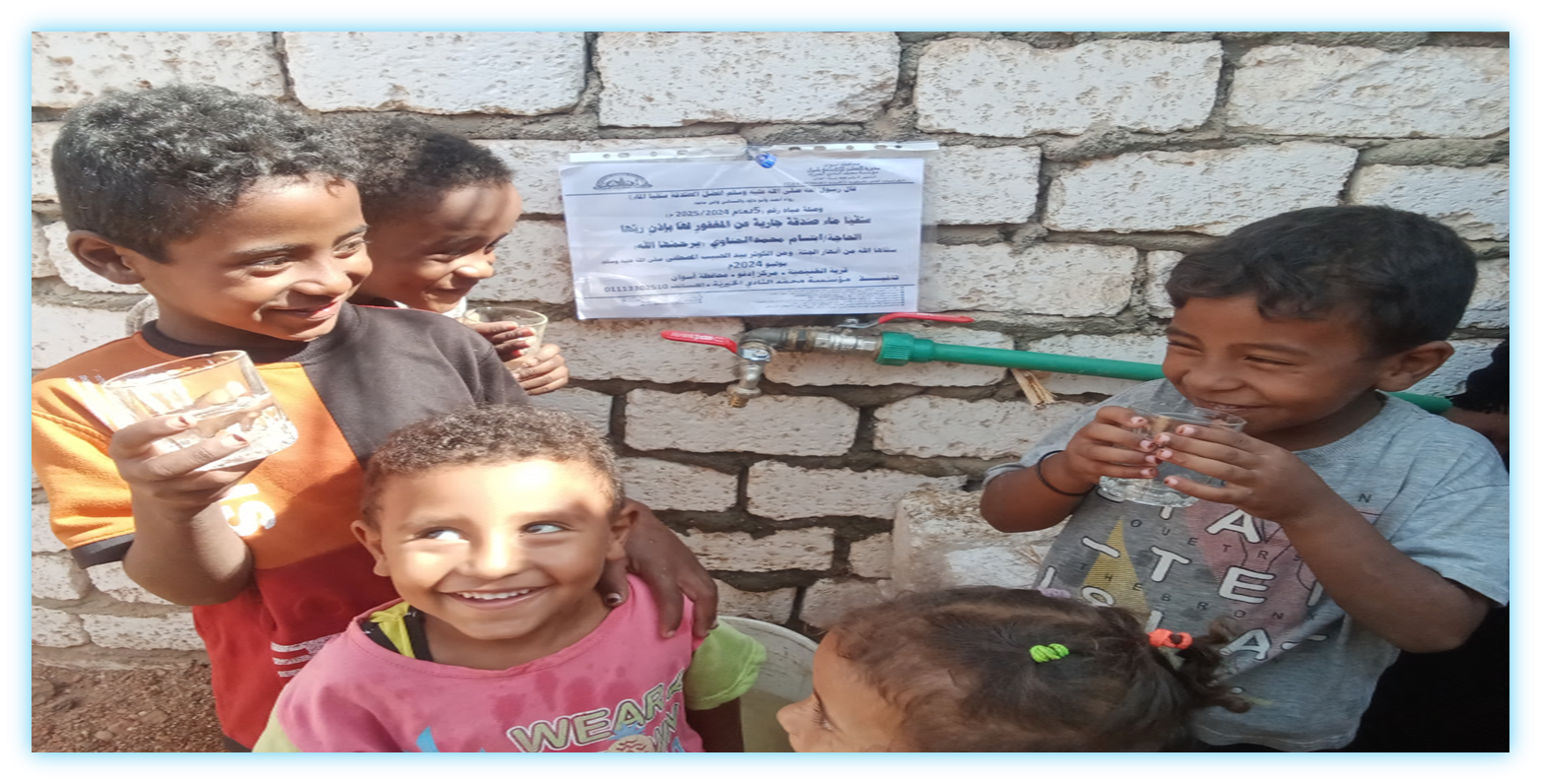
* Providing safe drinking water to all members of society in general and to the most needy families in particular.
* Fighting diseases resulting from drinking non-potable water and its effects, and how to prevent them.
environmental cleanliness and urging rationalization of water use.
* Providing targeted citizens with sufficient awareness that all the Sustainable Development Goals 20230 are linked to each other, and their relevance to their daily lives.
General Objective :
Ensuring the provision of safe and clean drinking water, sanitation, public, personal and environmental hygiene services to maintain public health and reduce diseases resulting from water pollution
And awareness of following healthy behaviors for all our people in the village of Al-Ghunaimiya and its geographical dependencies in particular, and the local community in Edfu Kebili in general, and managing it sustainably to improve
Their health and well-being.
Interim goals
Providing clean, drinkable water that conforms to standards through:
Improving health, ensuring public and personal hygiene, and preventing diseases through:
Mobilizing society and other concerned parties to enhance the principle of community participation and dialogue between all parties, from leaders and cadres to partner institutions and associations and local and volunteer committees. )Bovines
Al-Ghunaimiyah, Dar Al-Hana, Al-Housh and Al-Zanika in Edfu Kebili within two years to ensure sustainability and self-reliance.
Forging partnerships with entities working in providing drinking water (governmental agencies / civil society organizations / individual donors) to support the project and spread its idea widely in the community.
Development activities and interventions
The Mohammed Al Nadi Charitable Foundation gave the right of the citizen to obtain safe drinking water, as well as the health aspect, a top priority, and made it the top priority of its concerns. This was represented by the selection of project activities based on collecting data on the actual needs of the community Local clean drinking water.
Inventorying areas deprived of clean drinking water connections and coordinating with the drinking water facility (creating a protocol) to provide technical assistance in Madna with maps, specifications for supplies, and technical supervision upon implementation. Accordingly, lines were built for deprived areas and the invalid pipes were replaced with healthy and safe ones.
Inventory of homes that need home connections to make connections for them.
Develop a clear implementation plan that contains the timeline for implementation, follow-up, pre- and post-evaluation, impact measurement and the responsibilities of the implementation team.
Conducting medical tests to determine the spread of diseases resulting from unhealthy water in order to reduce them through prevention and treatment.
Providing water tanks for homes and institutionsandEnsuring the cleanliness and regular maintenance of these tanks.
Improving sanitation services through:
A) Building, equipping and finishing safe sanitary bathrooms in homes and public institutions.
b) Providing soap and disinfectants for personal use.
d) Continuous drainage of sewage.
Expansion of the filtration station to cover all needs.
Continuing the implementation of seminars and training workshops on Raising health awarenessby educating local communities about the importance of clean water, public health andways to conserve water and health.
Networking with governmental and private cooperating agencies to support the project.
.
Changing societal awareness to get rid of negative habits such as excessive use of clean drinking water and sprinkling it in the streets in front of homes through awareness campaigns carried out by scholars and men. Religion.
Developing future plans for the project to ensure its sustainability and development into an institutional project, especially filtration units and a wastewater treatment plant, and planting a tree forest with environmental returns And economical.
Providing job opportunities for youth groups and gaining experience from the work of various interventions (administrative, industrial, professional, technician, and skilled worker).
Raising knowledge and community awareness of environmental, health, social and cultural issues for (990) families
of different ages.
Organizing (3) training courses for facilitators and supervisors. Duration of the course is (3) days in the fields:
- style="list-style-type:square;padding-left:-12px;">
Economic Empowerment and Financial Inclusion.
Collecting and analyzing data and managing household files.
Making plans and writing reports.
12) Improving local capabilities and skills in the poorest villages in Edfu Kebili and enabling a number of (75) individuals, leaders and targeted entities to participate and manage an effective community dialogue between all concerned civil and governmental parties to ensure continuity and self-reliance.
13) A number of (10) meetings were held, and (3) community dialogue meetings were organized, in addition to training and capacity building activities for leaders, volunteers, and representatives of partner associations to enhance expertise by organizing a number of (3) repeated training courses with a total of (75) participants. The duration of the course is (3) days for (25) participants in the fields of:
Analyzing problems and identifying community needs.
Analysis of the parties involved and the role of leadership in development.
The evaluation must be comprehensive and transparent.
The results of the assessment are shared with all interested parties.
that corrective plans be realistic and implementable.
that corrective plans are periodically followed up and evaluated.
The evaluation should focus on the results of the project and its impact on people's lives.
The evaluation must be sustainable, that is, it must be carried out periodically to ensure continuous improvement of the project's performance To know:
The extent of the project's impact on the lives of the beneficiaries and the achievement of the set goals.(Measurement effect)
( Identifying strengths And weakness)
Ensuring that the project is moving in the right direction and making any necessary adjustments to improve its performance.
14) The evaluation must be an integral part of the project from its beginning.
Results achieved by the practice:
First: Providing clean drinking water through the following interventions: :
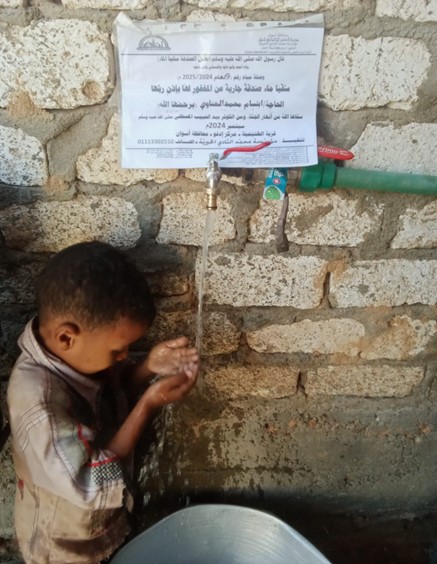
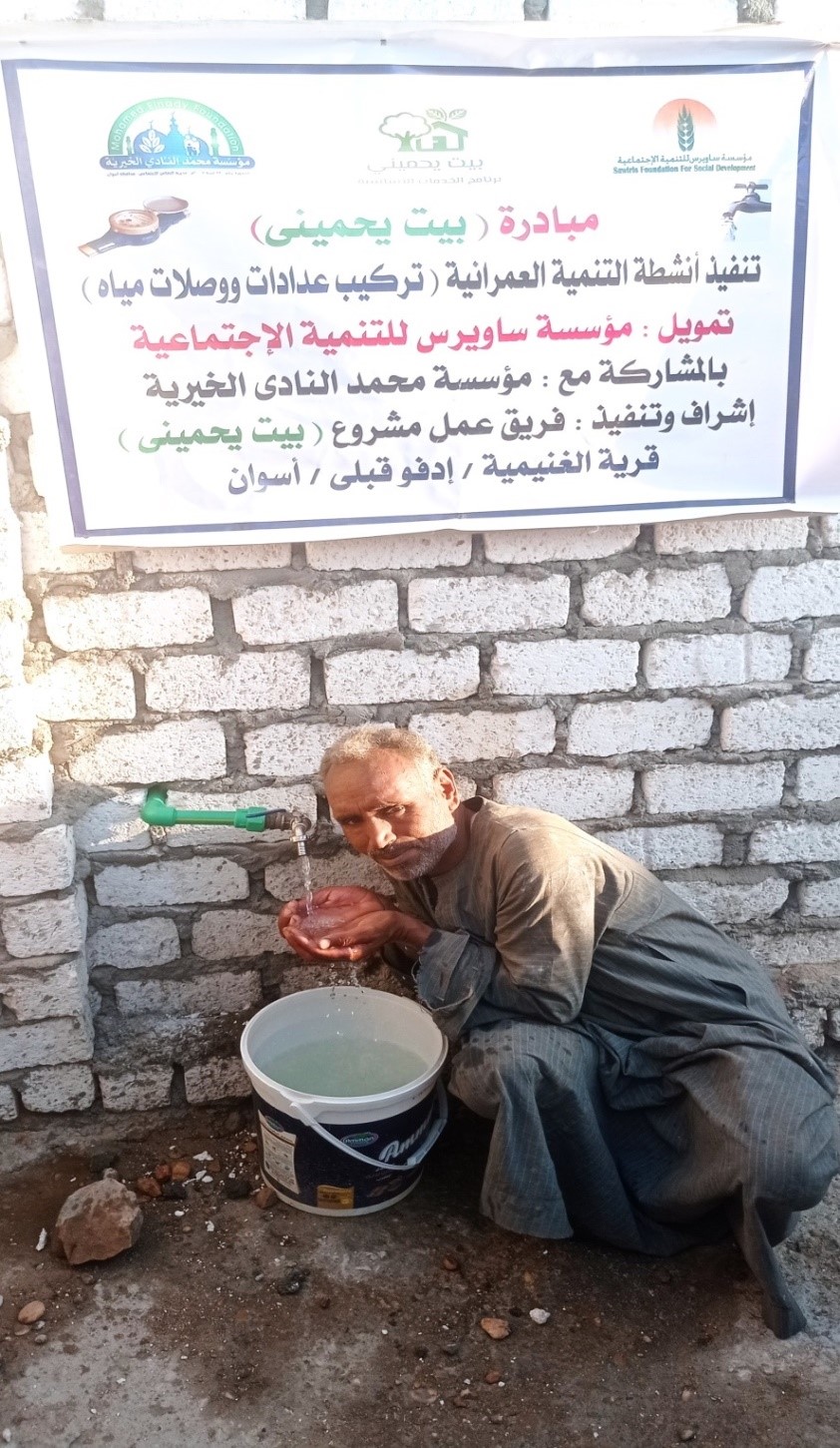
Implementation of (367) domestic water connections for (367) poor and marginalized families.
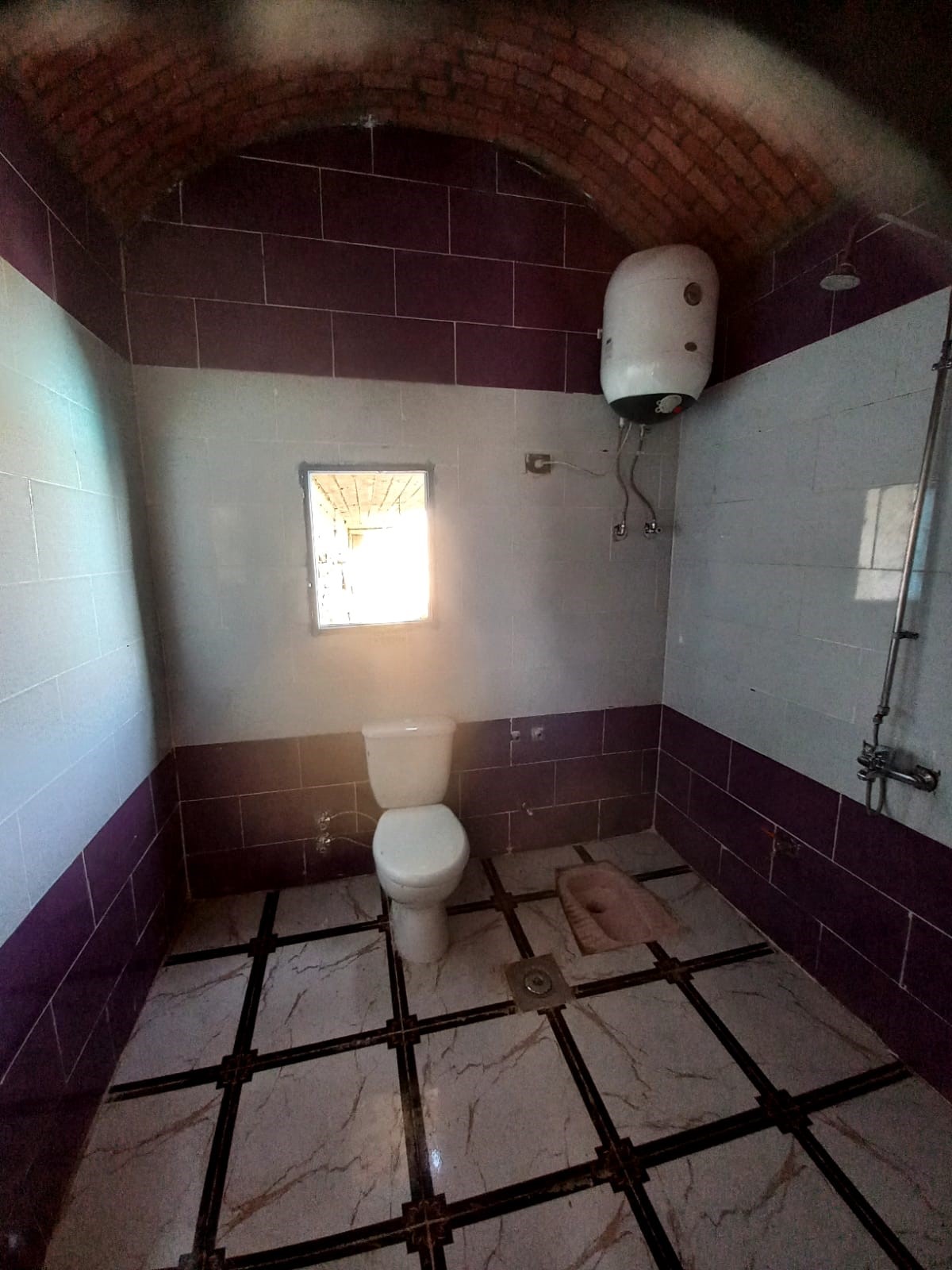
Implementation of building, equipping and finishing (34) human bathrooms and (4) safe sanitary sewers .
Implementation of a main line with a diameter of (6) inches for an area deprived of drinking water for years in western Al-Ghunaimiya, with a length of (1002) meters, and a number of (6) subsidiary lines with a diameter of (4) inches, benefiting a number of (132) current homes and (200) future homes. .
تنفيذ بناء وتجهيز وتشطيب(34)حماما آدميا ،وعدد ( 4) بيارات آمنة.
إحلال وتجديد لعدد ( 6 ) خطوط بإجمالي ( 246 ) مترا ،قطر (4) بوصة.
إحلال وتجديد خطوط الوصلات القديمة لعدد ( 155 ) وصلة منزلية.
شراء و تركيب (70كولدير) بالمدارس ودور العبادة والمؤسسات الحكومية والأهلية.
ثانيا : ارتفاع المعارف والوعي المجتمعي بالقضايا البيئية والصحية للأسر المستهدفة من خلا تنفيذ حملات توعية وندوات لعدد(990)أسرة من مختلف الأعمار بقرى الغنيمية وتوابعها الجغرافية
لبيان أهمية الحد من هدر المياه والحفاظ عليها وإمداد المواطنين بالوعي الكافي عن المياه النظيفة وكيفية الحصول عليها وبيان فوائد النظافة الشخصية والعامة ونظافة البيئة والتي هي خطوة أولى أساسية لبناء الوعي الانساني.والحث على ترشيد استخدام المياه من خلال تنظيم ندوات يديرها متخصصون تستهدف (990) أسرة وفقاً لاحتياجات ونوع الفئات المستهدفة وتنفيذ زيارات منزلية نفذها عدد (10) ميسرات مُدرَّبات لتقديم الوعي المجتمعي و(2) مشرفتان، و(1) ومنسقة برنامج وعي بتمويل مشترك مع مؤسسة ساويرس للتنمية الاجتماعية.
ثالثا : توفير عربة كسح لكسح البيارات)لعدم وجود صرف صحي عمومي) في قرية الغنيمية وتوابعها (بها عدد3000 منزل) والقرى المجاورة. بالتعاون مع وزارة التضامن الاجتماعي.
رابعا : توفير (13) فرصة عمل مباشرة ومستمرة لتنفيذ المشاريع الفرعية المتعلقة بالمشروع الرئيس وغير مباشرة (الفنيون والعمال والتجار ووسائل النقل).
خامساً : توفير وحدة لمعالجة(فلترة) المياه( قيد استكمال التجهيزات والتشغيل).
سادساً : استخدمت المؤسسة التكنولوجيا لتعزيز الوعي بقضية مياه الشرب والصرف الصحي باستخدام الأفلام الوثائقية والداتا شو وذلك من خلال (اللقاءات ) و(الندوات) لعدد ( 990 أسرة )
سابعا : تحسُّن القدرات والمهارات المحلية بقرى الغنيمية ودار الهنا والزنيقة والمجتمع المحلي بإدفو قبلي
*تمكين عدد (75) من أفراد وقيادات وكيانات مستهدفة من المشاركة وإدارة حوار مجتمعي فعال بين كافة الأطراف المعنية الأهلية والحكومية لضمان الاستمرارية والاعتماد على الذات من خلال تشكيل:
• عدد (5) لجان محلية بعدد (25) عضواً.
• عدد (5) لجان تطوع بعدد (25) عضواً.
• عدد (18) من ممثلي الجمعيات الشريكة كالتالي:(3) أفراد من (4) جمعيات شريكة= (12) فرداً +(6) أفراد
من جمعية مؤسّسة محمّد النّادي الخيريّة.
• لجنة مجتمعية محلية مكوّنة عدد (7) أعضاء من جمعية مؤسّسة محمّد النّادي الخيريّة.
*وتم عقد عدد (10) اجتماعات، وتنظيم عدد (3) لقاءات حوار مجتمعي، بالإضافة إلى أنشطة التدريب
وبناء القدرات للقيادات والمتطوعين وممثلي الجمعيات الشريكة لتعزيز الخبرات من خلال تنظيم
عدد (3) دورات تدريبية مكررة بإجمالي (75) مشارك/ة مدة الدورة (3) أيام لعدد (25) مشارك/ة في مجالات:
• تحليل المشكلات وتحديد الاحتياجات المجتمعية.
• تحليل الأـطراف المعنية ودور القيادات في التنمية.
• تعبئة موارد المجتمع المحلي استفادة الأهل والجيران والأقارب من لقاءات التوعية.
المدة الزمنية للممارسة / الموقف الحالى ( مستمرة – انتهى ) .
تم حصر المشروع في الأعوام الثلاثة الأخيرة(2021ـــــــــــــــ2023م /وهو مشروع مستمر ومستدام.
الجهات الشريكة :
المشروع مستمرٌ ومستدام بدعم من مؤسّسة محمّد النّادي الخيريّة وقد تمّ عقد شراكات مع الجهات العاملة في توفير مياه الشرب النظيفة والتي تعمل في مجال الحفاظ على الصحة
والبيئة الحكومية ومنها : ( الشركة القابضة لمياه الشرب والصرف الصحي– الوحدة المحلية لمركز ومدينة إدفو – الوحدة المحلية لقرية الرمادي بحري ومجلس قروي الغنيمية– معهد بحوث المياه بجاردن سيتي والمطرية - وزارة التضامن الاجتماعي– الاتحاد الإقليمي لجنوب الصعيد لشئون البيئة ) .
و الشركاء من الجهات غير الحكومية من المؤسسات والجمعيات الأهلية العاملة في مجال المياه والصحة وخدمة البيئة وأهمها:
(بنك الحياة – مؤسسة ساويرس للتنمية الاجتماعية –– جمعية البراق- جمعية خير وبركة- مؤسسة فرحة تجمّعنا – جمعية مشوار لتنمية المجتمع– الجمعية الشرعية وشركات وأفراد متبرعون). و ذلك لإمدادنا بمستلزمات توصيل المياه ،وتمويل حملات التوعية حول المياه النظيفة والنظافة الشخصية
وترشيد استخدام المياه والمشاركة الفاعلة في تغيير الوعي المجتمعي حفاظاً على الصحة والبيئة ولضمان استدامة المشروع.