Development Practices for Civil Society Organizations
Climate smart agriculture for life project
Local Community Development Association on Biba Island

Objectives of the Goal


Climate smart agriculture for life project
Local Community Development Association on Biba Island
Egypt - Brown Supf
The project is considered a support for small farmers in the center of Biba Beni Suef Governorate who suffer from high temperatures and changing characteristics of the seasons and their effects in the past five years and this problem has major side effects such asa noticeable decrease in the productivity per unit area of field crops and vegetables in the past five years - waste waste. In the village and not benefiting from it - the spread of agricultural diseases - and the decline in the quality of crops as a result of being affected by climate change and farmers not using modern practices-The low economic status of small farmers-Migration of farmers to agricultural lands - high prices of agricultural products and poor fertility and quality Soil.
The project contributes to mitigating the effects of climate change on small farmers by applying and implementing some climate-smart agricultural practices, which are as follows:
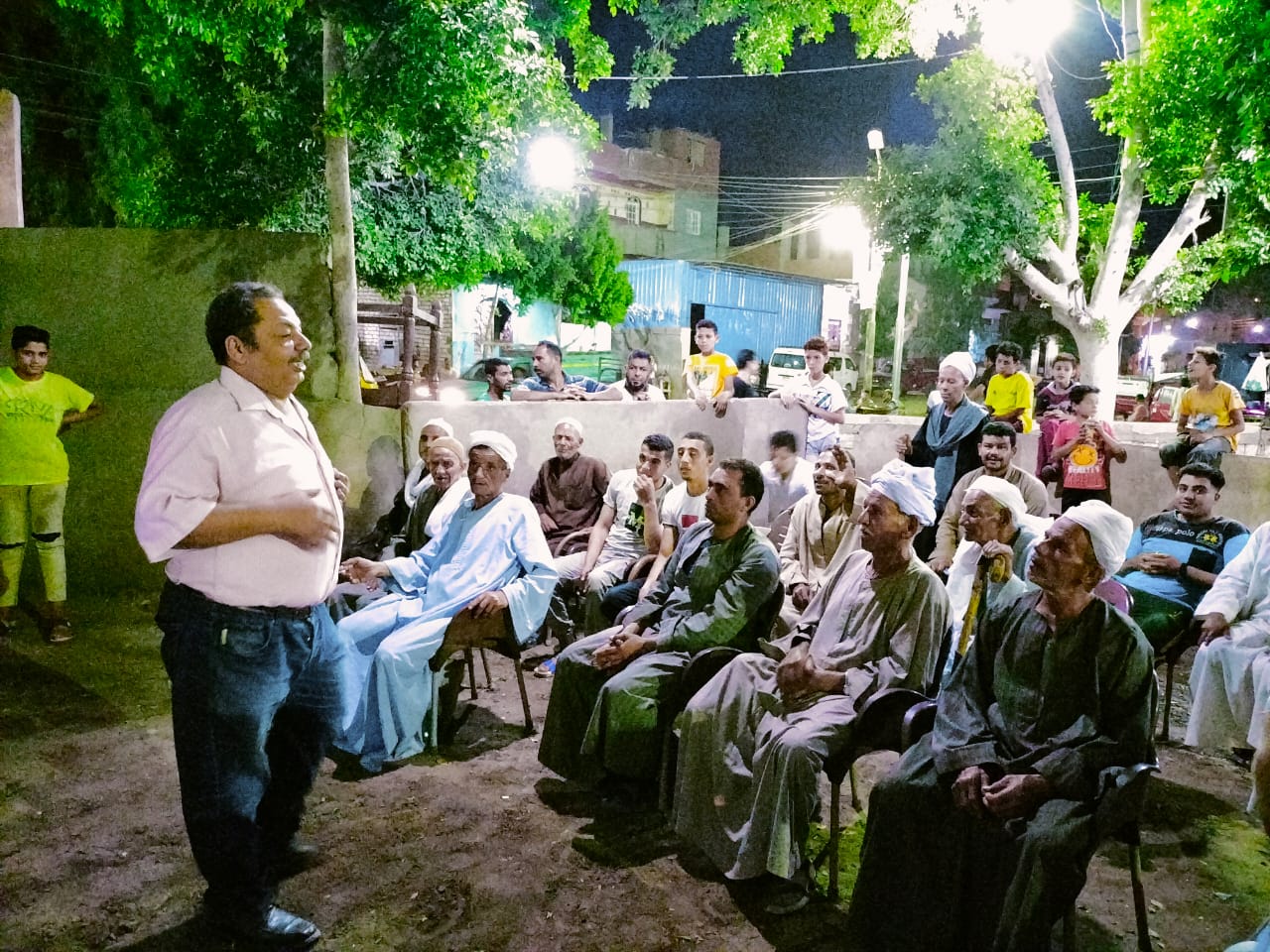
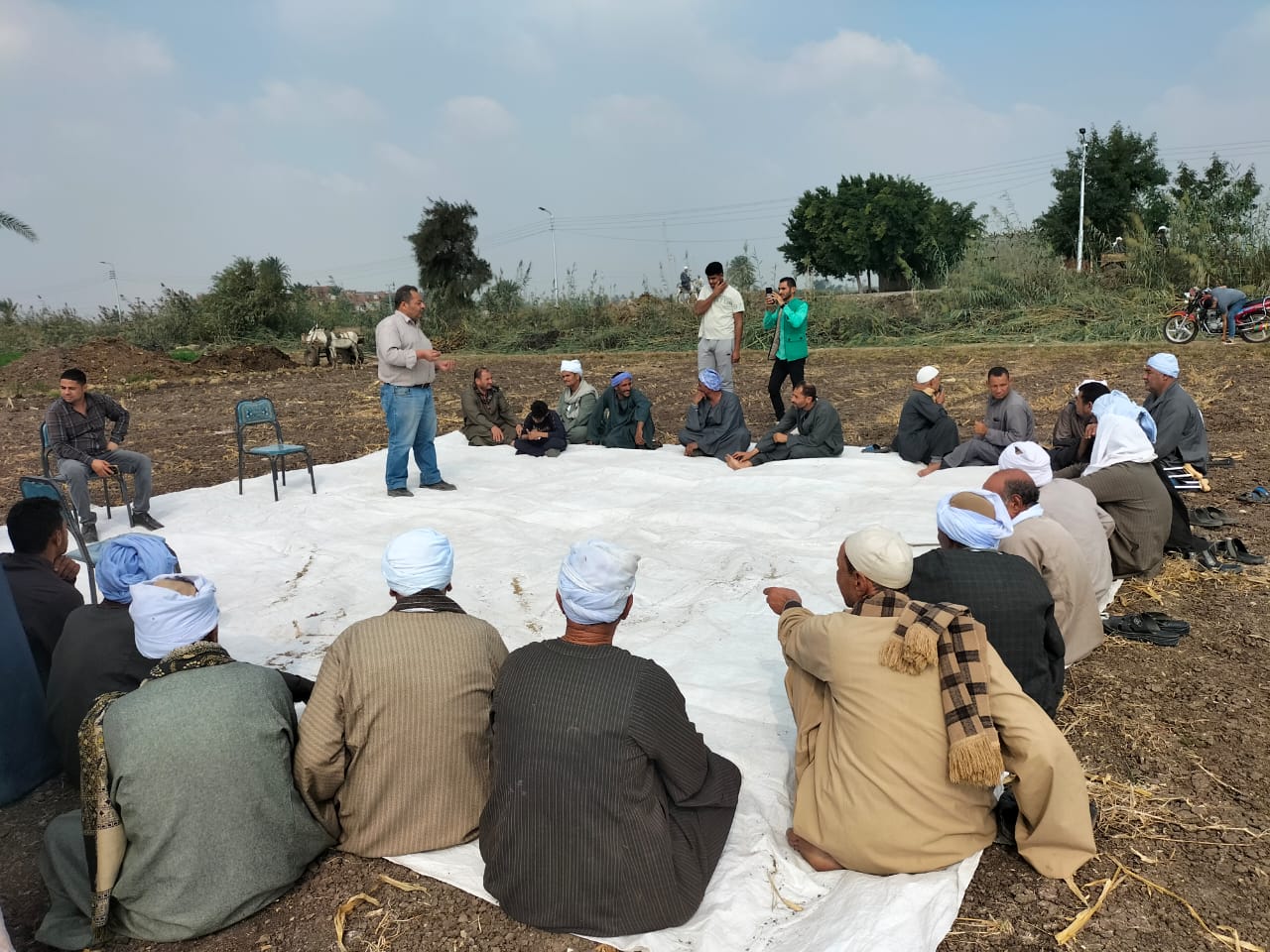
1 - Awareness meetings to raise awareness among small farmers and provide them with knowledge and skills related to applying good agricultural practices, which contributes to maximizing crop productivity and confronting climate change by identifying risks, absorbing shocks, and adapting to climate-smart agricultural techniques such as
- The concept of climate-smart agriculture and issues of climate change, adapting to it, and reducing its bad effects
- The importance of growing new seeds (seeds) that can withstand difficult climatic conditions, salinity and drought
- The importance of changing planting dates to suit weather conditions
- Irrigation at the appropriate times and with the appropriate amount of water per irrigation to preserve every drop of water
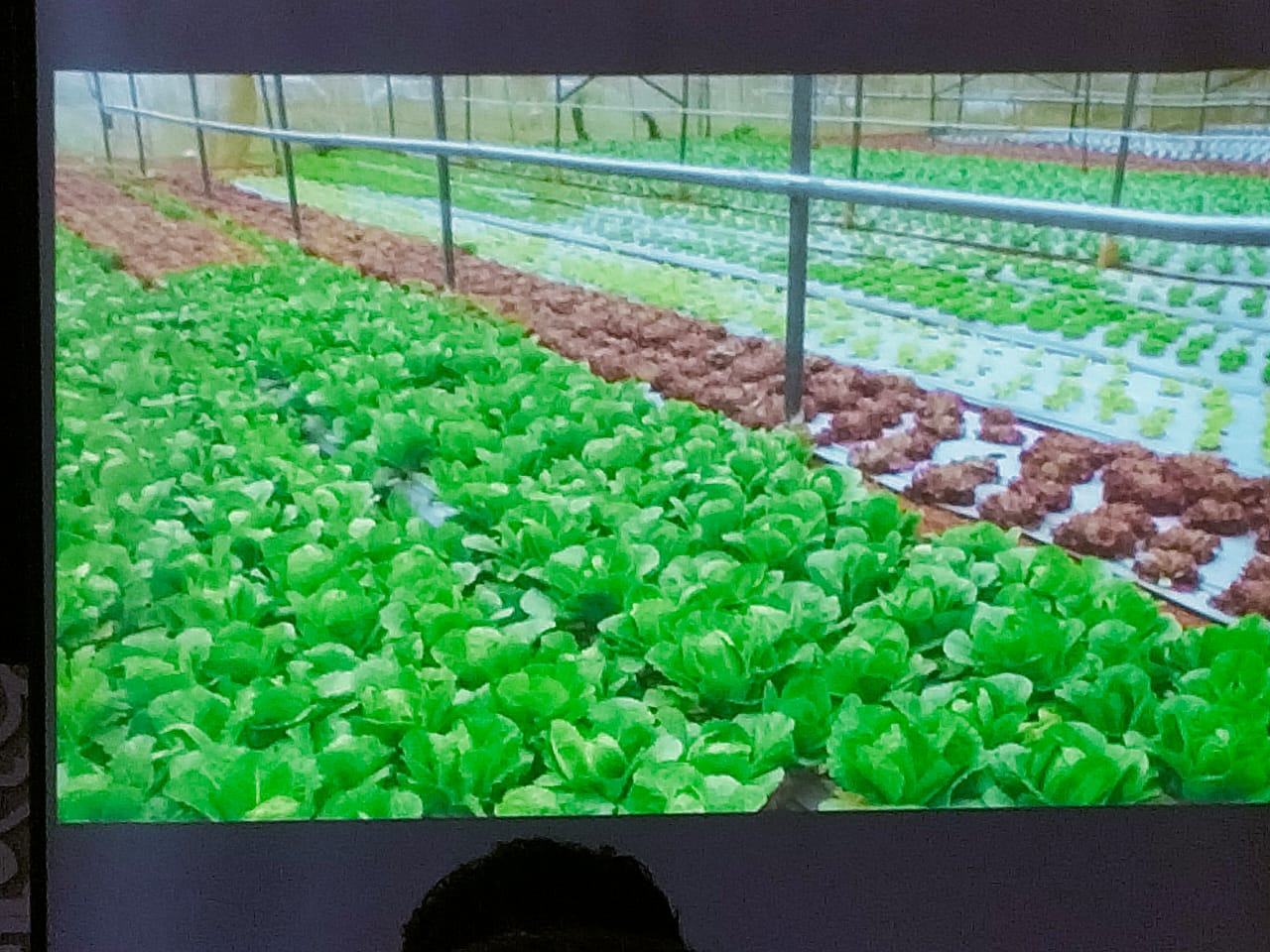
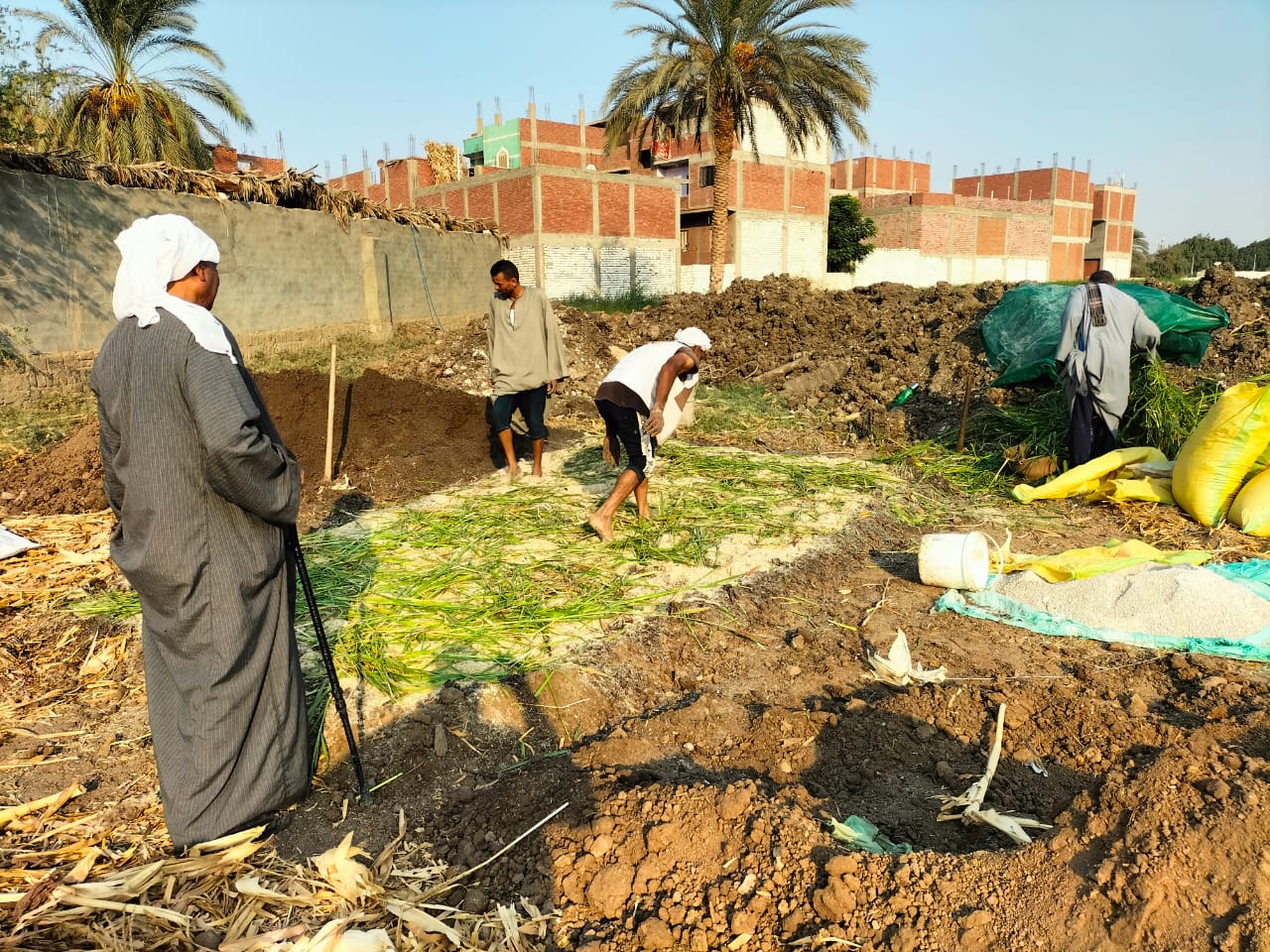
- The importance of reducing the use of mineral fertilizers and replacing them with organic fertilizers, and recycling agricultural waste and benefiting from it in an environmentally safe and sound way, which is making compost, silage, and cultivation on terraces
- How to make a compost pile - and a silage pile correctly
2 - Training was held for the board of directors, workers and project partners on climate-smart agricultural practices and the importance of confronting the negative effects of climate change
3- Providing direct services to 500 small farmers to improve climate-smart agricultural practices for them, such as (providing seeds to implement climate-smart agriculture and using fertilizers
Organic - subsoil plowing - laser leveling)
4- Providing technical support during cultivation and in the use of new varieties by following up with the project manager, coordinator, and consultant, and holding field days for small farmers
6- Producing an educational video of the smart practices that will be carried out to spread knowledge study on a broader scale across the center’s geographical scope
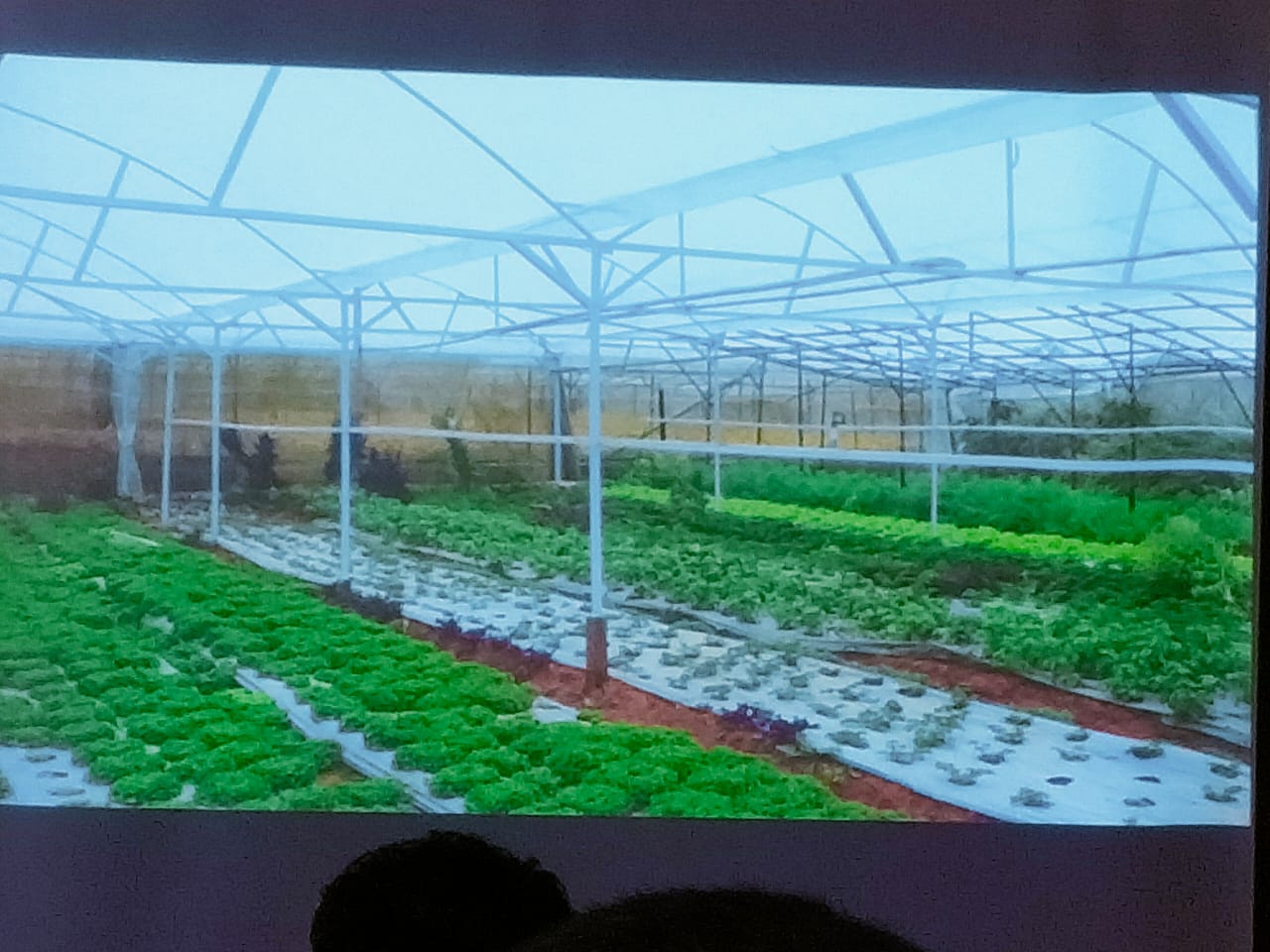
From the above, we find that the project follows good, flexible agricultural practices that work to achieve the highest agricultural productivity and thus increase farmers’ income. These practices also work to reduce greenhouse gases that cause climate change and work to adapt to severe weather fluctuations and climate change, such as growing plant varieties of different crops that tolerate high or low temperatures depending on the agricultural crop, or smart, flexible agricultural practices that reduce Emissions such as carbon dioxide, such as recycling agricultural waste “residues” and converting them into artificial organic fertilizer “compost”, which improves the properties of agricultural soil and provides plants with their needs for fertilizers “nutrients”, which reduces the use of chemical fertilizers, the production of which requires large amounts of energy, resulting in carbon emissions in a large proportion that increases environmental pollution and global warming.
Smart good agricultural practices have been implemented by following the goals of sustainable development to achieve the greatest agricultural productivity and income for farmers while reducing carbon emissions and the carbon footprint, including the use of “industrial organic fertilizers - compost” to achieve a clean, sustainable agricultural environment.
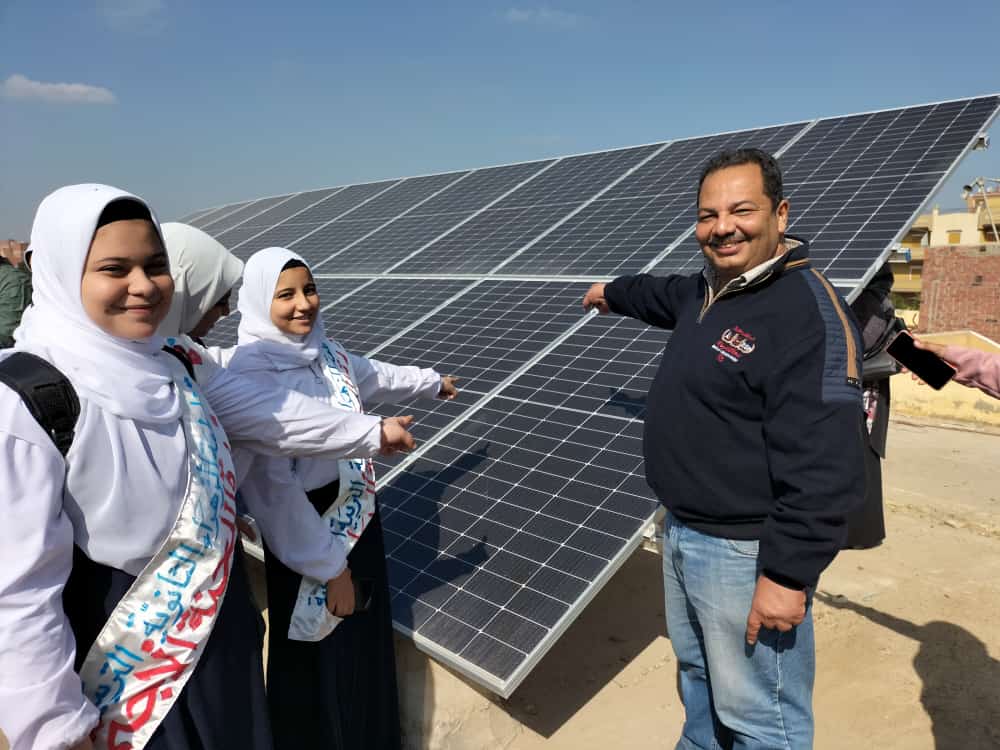
- Working to increase awareness and raise capabilities by holding seminars, training workshops, and field days before, during, and after applying smart, flexible agricultural practices, which had a positive impact on farmers, producers, and even consumers, in order to achieve the project’s goals on the short and long levels.
- Providing traditional and intelligent agricultural assistance and guidance to farmers, tracking production steps, marketing creative ideas, and working to realize them on the ground.
- Connecting farmers with stakeholders and decision makers and providing continuous, fruitful and constructive interaction between them to achieve maximum agricultural community benefit.
Direct target group:
500 smallholder farmers who own an area not exceeding three acres, as well as long-term land tenants
Indirect target group:
2,500 smallholder farmer families who own an area not exceeding three acres, as well as long-term land tenants