Misr Al Khair Award for Leadership in Charitable and Sustainable Development Giving
Sixth goal: clean water and hygiene
Cycle Period
Aug 1, 2024 - Jun 30, 2025
Development Goal
Clean water and hygiene
Subscription Period
Aug 1, 2024 - Oct 20, 2024
Sixth goal: clean water and hygiene
Goal 6 – Ensure access to water and sanitation for all
While significant progress has been made in increasing access to clean drinking water and sanitation, billions of people – mostly in rural areas – still lack these basic services. dir="ltr" lang="AR-SA">Globally, we find that one in three people do not have access to safe drinking water, two in five people do not have any basic facilities for washing hands with soap and water, and more than 673 million people practice open defecation.
The COVID-19 pandemic has demonstrated the critical importance of sanitation, hygiene and adequate access to clean water to prevent and contain diseases. Hand hygiene saves lives. According to the World Health Organization, hand washing is one of the most effective measures you can take to reduce the spread of pathogens and prevent infections, including the COVID-19 virus. However, billions of people still lack access to safe water sanitation, and funding is insufficient.
Response to Covid-19
Availability and access to water, sanitation and hygiene services is essential to combating the virus and maintaining the health and well-being of millions. COVID-19 will not be stopped without access to safe water for vulnerable people, UN experts say The effects of COVID-19 could be much greater for the urban poor living in slums, who do not have access to clean water. UN-Habitat works with partners to facilitate access to running water and hand washing in informal settlements.
The most common water-related diseases.
Water-related diseases are among the leading causes of global deaths annually. Children are particularly vulnerable to diseases caused by organisms that thrive in polluted water sources. Climate change, caused by unregulated industrial practices and inadequate waste management, is severely impacting our water sources. Since the human body is made up of 70% water, drinking clean water is crucial to maintaining health.
Let us understand water-related diseases, which result from drinking contaminated or dirty water, which may lead to a number of diseases, including the following:
- Typhoid fever
- Cholera
- Giardia
- Dysentery
- Escherichia coli (Escherichia coli)
- HepatitisA
- Salmonella
How to avoid water-related diseases?
Water-related diseases are completely avoidable and highly preventable if proper care is taken. The following tips will help you avoid water-related illnesses
Maintain good hygiene:
- Make sure you wash your hands properly and maintain good hygiene. dir="RTL">Never consume unfiltered water. Always use a portable filter or boiled water to ensure you drink clean water while traveling.
- Use chlorine disinfectants to ensure that the preserved water remains clean and pure.
- To kill dangerous bacteria, add a few drops of disinfectant liquid to the water before showering.
- Get vaccinated to prevent vaccine-preventable diseases.
- Use an insect repellent cream when out walking or walking around.
Water-related diseases can be easily avoided. However, if you are experiencing symptoms, you may need to seek medical attention immediately to be diagnosed so that a prompt course of treatment can be recommended.
Facts and Figures
- A quarter of healthcare facilities (1 in 4) lack basic water services
- 3 out of 10 people lack access to safe drinking water services, while6out of every 10 people do not To safely managed sanitation facilities.
- At least 892 million people still practice open defecation.
- The proportion of the world's population using improved drinking water sources increased from 76% to 90% between 1990 and 2015.
- Water scarcity affects more than 40% of the world's population, and that percentage is expected to rise. Nearly two billion people currently live in river basins where the rate of water depletion exceeds the rate of replacement..
- More than two billion people lack access to basic sanitation services. dir="RTL">More than 80% of wastewater resulting from human activities is discharged into rivers or the sea without any decontamination.
- Approximately 70% of all water extracted from rivers, lakes and aquifers is used for irrigation.
- Deaths resulting from floods and other water-related disasters represent 70% of all deaths associated with natural disasters.
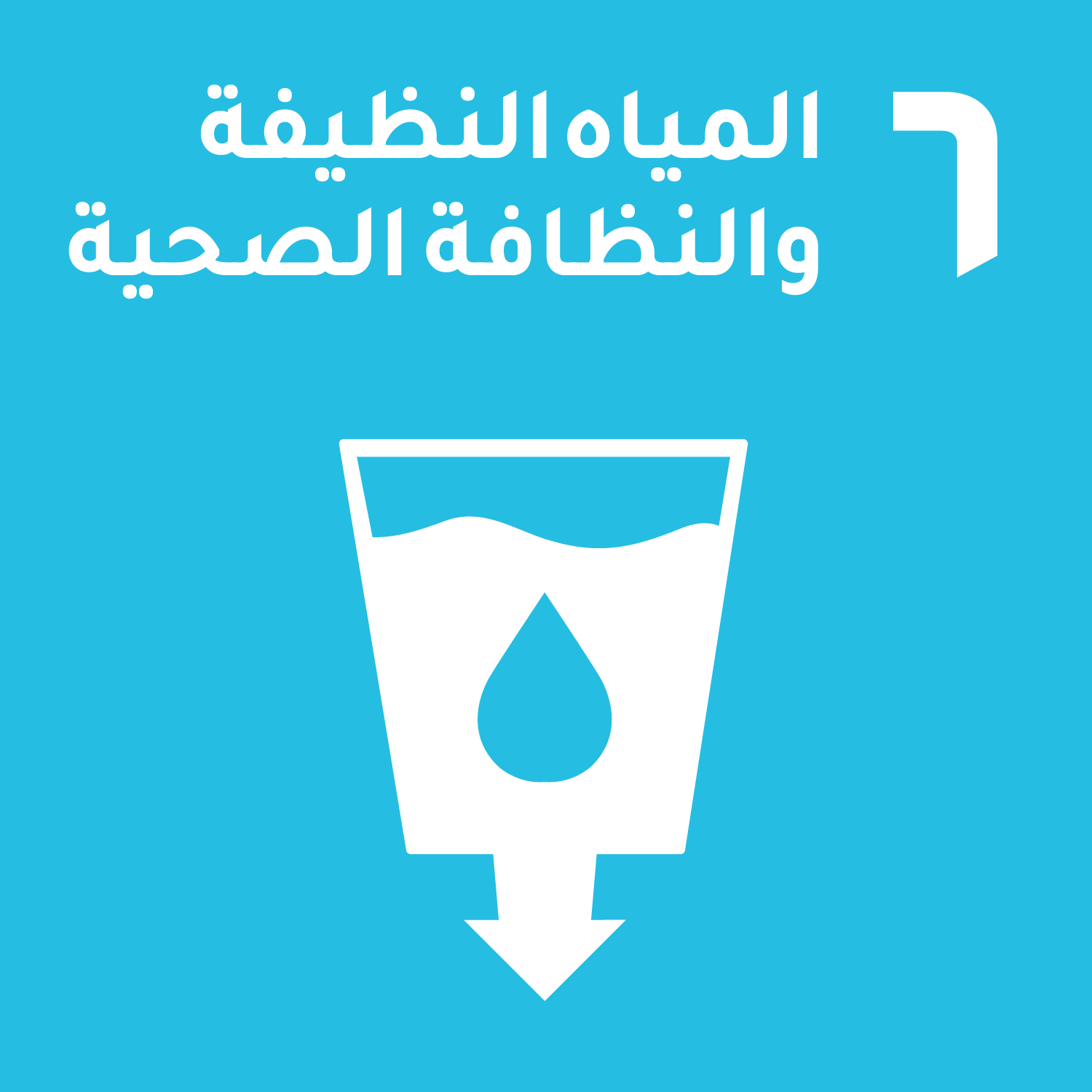
Goal Objectives: Clean water and hygiene
Target Intentions
6 – 1 Achieve the goal of equitable access to safe and affordable drinking water for all by 2030
6 - 2 Achieve the goal of universal access to sanitation and hygiene services and end open defecation, paying special attention to the needs of women and girls and those living in vulnerable situations, by 2030
6 – 3 Improving water quality by reducing pollution, stopping the dumping of waste and hazardous chemicals, minimizing their leakage, halving the percentage of untreated sewage, and significantly increasing recycling and safe reuse nationwide. Globally, by 2030
6 – 4 Significantly increase water use efficiency in all sectors and ensure sustainable withdrawal and supply of freshwater in order to address water scarcity and reduce Significant share of the number of people suffering from water scarcity, by 2030. As applicable, by 2030
6 – 6 Protect and restore water-related ecosystems, including mountains, forests, wetlands, rivers and aquifers and lakes, by 2020
6 - A. Strengthen the scope of international cooperation and support capacity-building in developing countries in water and sanitation-related activities and programmes, including water harvesting and removal. By 2030, its salinity, water use efficiency, wastewater treatment, recycling and reuse technologies, And sanitation
Target Group
First - The main awards:
Directed to existing development projects within associations, civil institutions and youth initiatives, which have been more than 6 months in implementation and seek to participate in achieving the Sustainable Development Goals 2030.
The main awards are divided into:
1- Associations and institutions Eligibility
2- Youth Initiatives
Second- Appreciation Awards:
This will be an appreciation award for one of the pioneers of civil society work who has distinguished work and distinguished contributions to achieving the goals of sustainable development 2030.
Conditions for applying for the award: Sixth goal: clean water and hygiene
First: Conditions for applying for the NGO Award
The association must be declared in accordance with the Civil Associations Law, and at least three years have passed since its declaration.
No judicial rulings have been issued against it, and the association has reconciled its situation in accordance with Law No. 149 of 2019.
2. The association must have a fixed headquarters to carry out its activities.
3. The association’s final account for the last fiscal year should not exceed 20 million pounds.
4. Nominations are submitted by civil society organizations and associations on their own, without being nominated by other parties.
5. Commitment to the deadline specified for submitting nomination applications. Applications submitted after the end of the application period will not be considered.
6. The nomination will not be accepted unless the applicant completes all forms and provides all attachments required in the advertisement. (According to the award guideline)
7. The application must be made from the Tanmwi 2030 platform only.
8. It is not possible to nominate winning projects during the previous cycle, although it is possible to nominate winning associations during the previous cycle with other projects.
9. Associations cannot submit projects funded by the Misr El Kheir Foundation.
Second: Conditions for applying for the Youth Initiatives Award
- The initiative must have addressed a societal issue related to the goal of the award and created a positive impact on society.
- Innovativeness in funding methods that enhance community participation and optimal utilization of community resources.
- Innovativeness in solutions to address the problem and reach the targets.
- Innovativeness in the method of managing the initiative and the way it works The team.
- The number of those in charge of the initiative should be no less than five young people, taking into account the qualitative balance of the initiative team.
- The initiative should be under an official umbrella or official entity
Main Topics of the Project
All issues related to water and hygiene
Awards
First: NGO Award
The winner of the first leadership award is a golden shield and an amount worth 300,000 Egyptian pounds
The winner of the second Leadership Award is a silver shield and an amount worth 250,000 Egyptian pounds
The winner of the third Leadership Award is a bronze shield and an amount worth 200,000 Egyptian pounds
Second: Youth Initiatives Award
The first winner receives a golden shield and an amount worth 50,000 Egyptian pounds
The second winner receives a silver shield and an amount worth 30,000 Egyptian pounds
Third: Appreciation awards
An appreciation award for pioneers of development work, a shield and a certificate of appreciation
Note: Non-major discretionary awards are nominated by the jury only
Judgement Comity
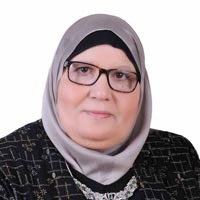
Prof. Dr. Iqbal Al-Samalouti
Member of the Board of Trustees of the Misr El Kheir Foundation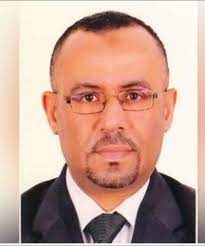
Dr. Samir Tantawi
Director of the Fourth National Reporting Project - United Nations Development Program (UNDP)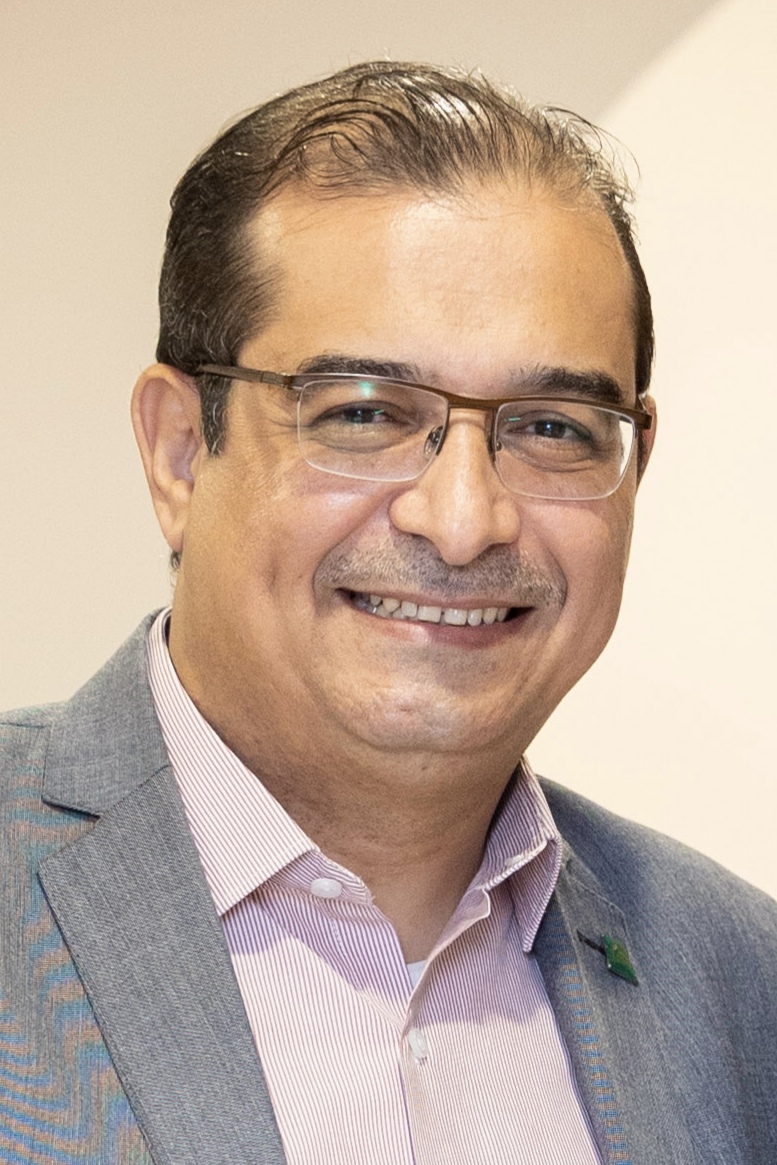
D. Muhammad Mamdouh Abdullah
Head of the NGO Development Sector at the Misr El Kheir Foundation (Secretary General of the Award)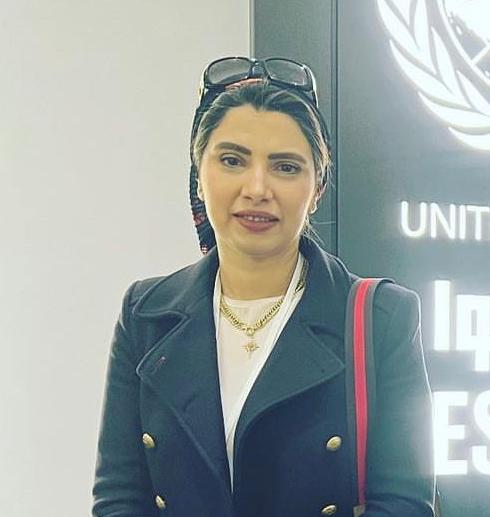
A. Hoda Al-Bakr
Executive Director of the Arab Network for Non-Governmental Organizations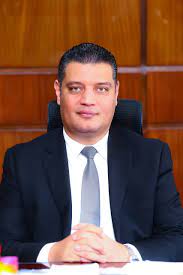
Dr. Ayman Abdel Mawjoud
Assistant Minister of Social Solidarity for Civil Society Institutions Affairs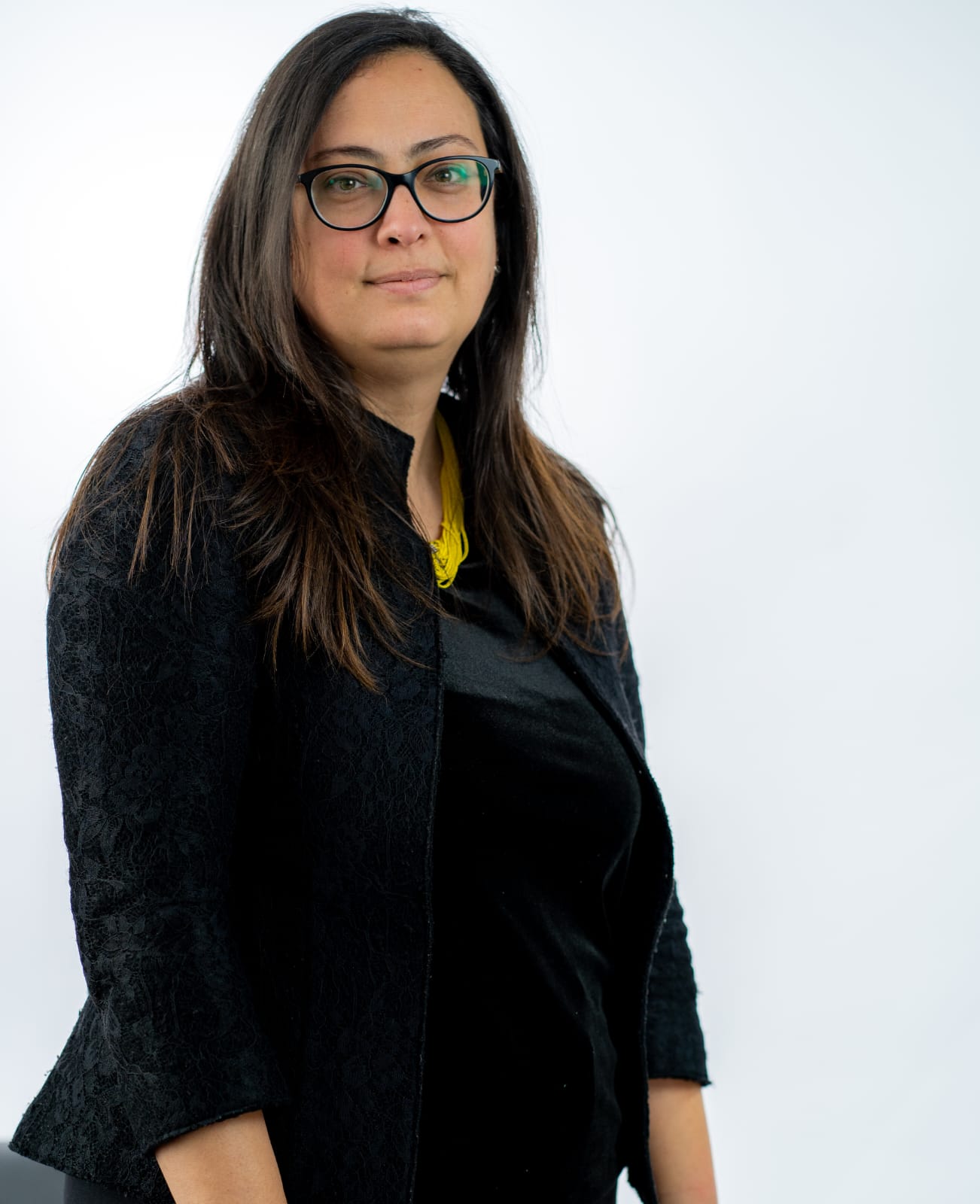
Dr. Irene Sami Fahim
Assistant Professor, Department of Industrial Engineering, Services and Management, Nile University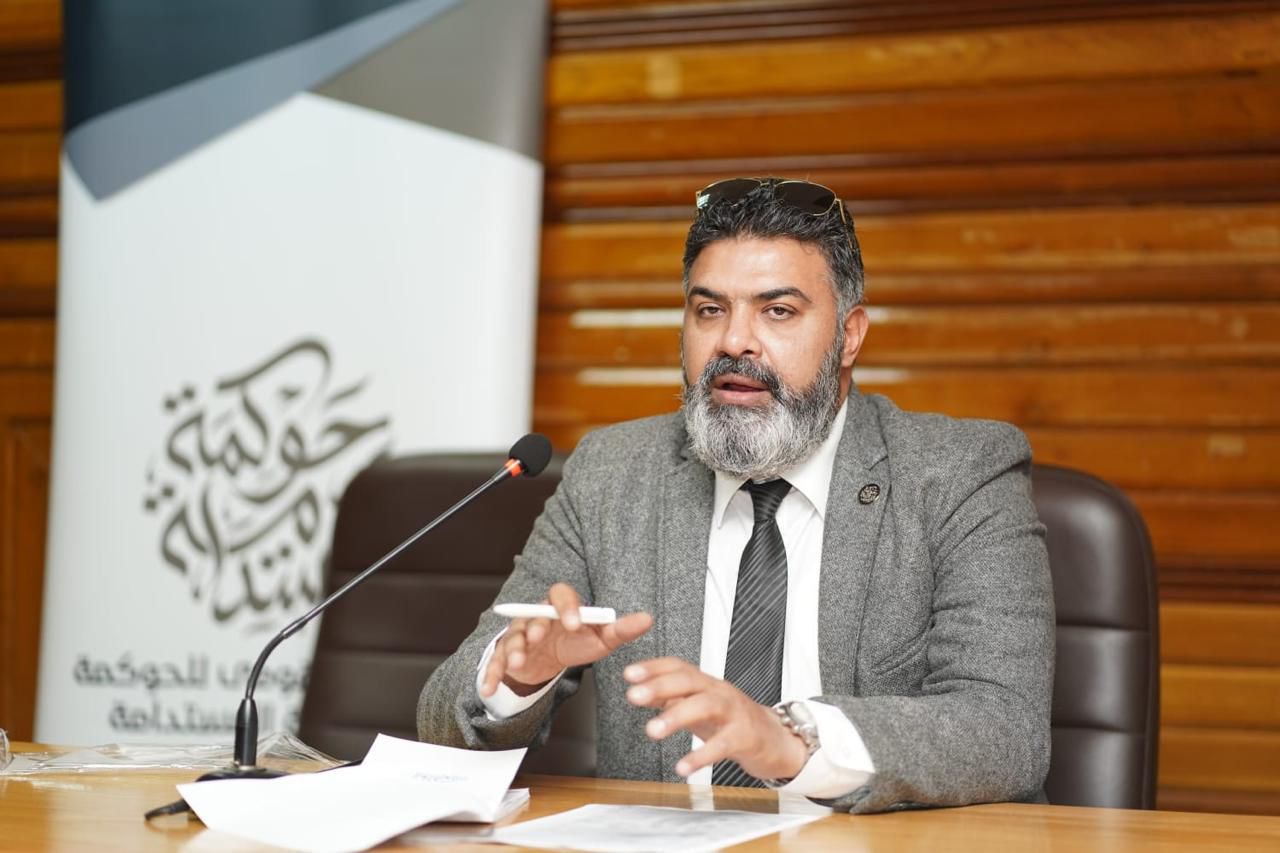
Mr. Nader Nour El-Din Salem
Director of the Communication and Awareness Unit at the National Institute for Governance and Sustainable Development (the technical and training arm of the Ministry of Planning and Economic Development)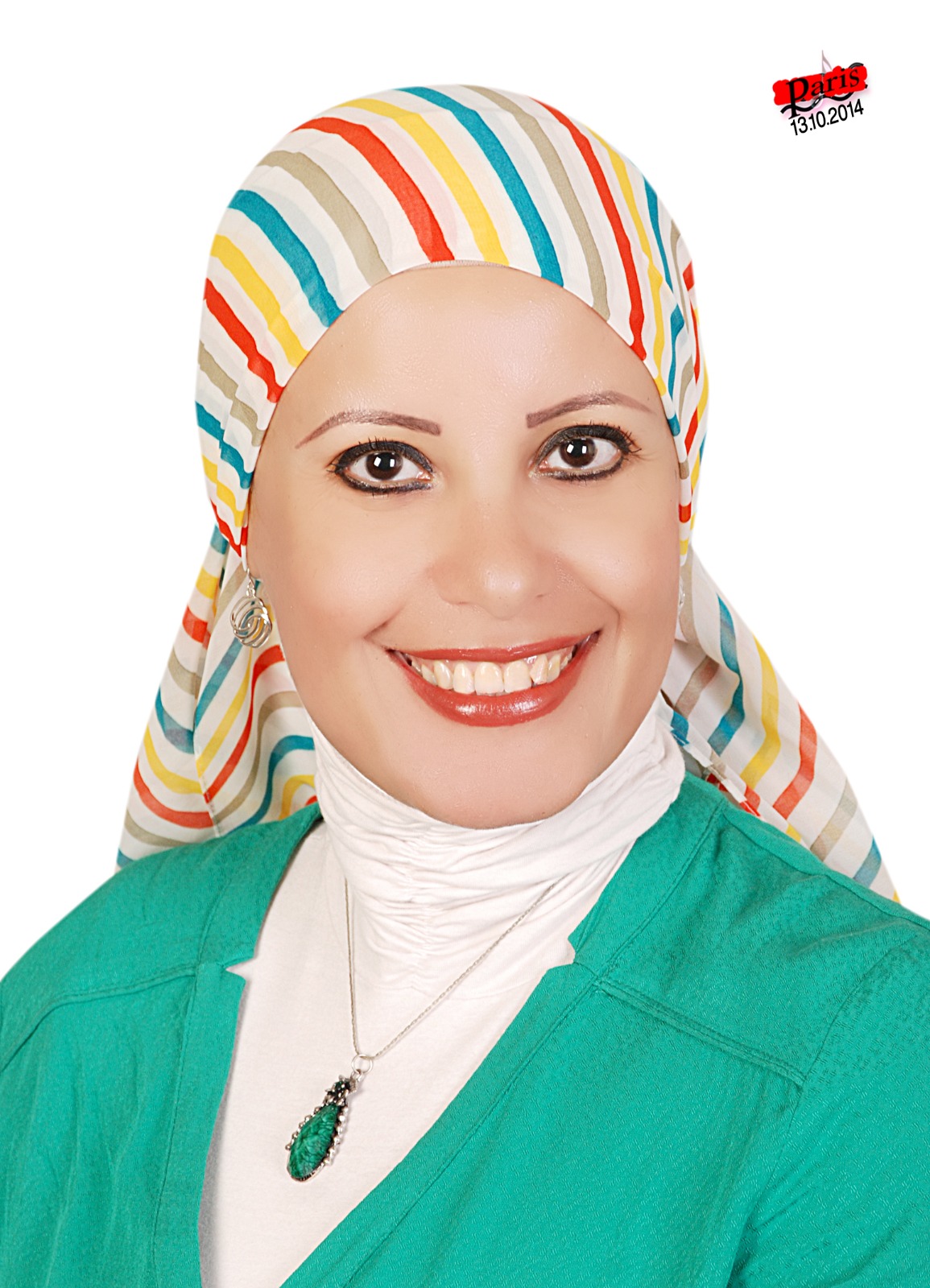
Dr. Samah Muhammad Bassem Khalil Muhammad Saad
Assistant research professor