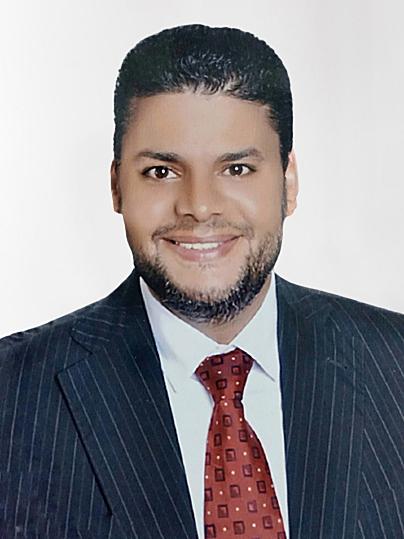
The role of civil society organizations in the advancement of the Egyptian state
Written by: Yasser Badry Since the announcement of the 2014 Constitution, the conversation about the role of civil society organizations in promoting development in Egypt has become essential, and these organizations, including civil society organizations, have become among the most important pillars on which the Egyptian state is betting in achieving this development because of their communication with various segments of society. The effective organizations work to support the state and complement its role in the advancement of society. In view of the importance of these civil associations, the 2014 Constitution designated them with a special article, which is Article 75, which stipulates: (Citizens have the right to form associations and civil institutions on a democratic basis. They shall have legal personality upon notification and exercise their activities freely. Administrative bodies may not interfere in their affairs or dissolve them or dissolve their boards of directors or boards of trustees except by a judicial ruling, and the establishment or continuation of these organizations is prohibited. Associations or civil institutions whose organization or activity are secret or of a military or quasi-military nature, all in the manner regulated by law. In view of the importance of the role that civil society associations can play as one of the sides of the development triangle (the government sector - the civil sector - the private sector), Mr. Abdel Fattah El-Sisi, the President of the Republic, named the year 2022 the year of civil society. From this standpoint, civil society associations have a major role through which they can participate with state organizations side by side in the development process. Before I mention the areas in which civil society organizations can contribute to achieving the sustainable development of the Egyptian state, I will specifically talk about associations here. Only those that are active and have tangible activity in their communities. Through my modest experience in the field of civil and development work, which amounts to fifteen years, I can say, for example but not limited to, that civil associations can advance society through the following areas: In the field of health: Associations, in cooperation with the Ministry of Health, can hold many awareness seminars as a proactive measure to address many diseases, such as participating in the vaccination and awareness campaign against bird flu and other diseases. The association’s role here is to provide the target group of citizens, and the Ministry of Health, represented by the Awareness Department, must provide specialized doctors to deliver seminars. As for vaccination campaigns, it is possible for associations to participate through volunteers on their own with the Ministry of Health in implementing these campaigns, as well as coordination with the Ministry of Health in implementing medical convoys for various specialties. Associations can also Those that have dispensaries or medical centers should cooperate with the Ministry of Health by having these associations host a number of doctors from the Ministry of Health in different specialties. This is considered to create job opportunities for doctors, especially young people, and reduce the pressure on government hospitals, with the Ministry bearing the salaries of these doctors. In the field of training and qualification: There are some associations that have workshops in various fields (printing - carpentry - glass painting - sewing workshop - ...). It is possible to cooperate with the Vocational Training Department so that the association provides the target group of young people who want to learn the craft in addition to the workshop already present in the association, including its machines. This administration provides qualified trainers and grants the trainee an accredited certificate after the end of the training that enables him to work after that. In the field of education NGOs that have strengthening classes can contribute to reducing the phenomenon of private lessons and dealing with children who have some learning difficulties for nominal fees. NGOs also have a prominent role in reducing the phenomenon of illiteracy through cooperation with the General Authority for Adult Education. The Authority prepares volunteers from the association and trains them appropriately so that they can be teachers. The Authority pays salaries to them, and the association provides the place (classrooms) in addition to the target group of illiterate people. The association and civil institutions also have an important and prominent role in community education and the establishment of community education schools, especially in villages and hamlets that do not have schools. In the field of sports: There are some associations that have social and cultural clubs. It is possible that cooperation can take place between them and the Ministry of Youth and Sports in supporting these associations with qualified trainers in a number of games, and opening the doors of youth centers to the youth of civil society associations and those who frequent them to practice sports. In the field of awareness: Civil associations can carry out awareness seminars in many fields, as some of them did, for example (awareness of the constitution - awareness of the House of Representatives law - citizenship) with the aim of urging citizens to participate in all elections with understanding and awareness so that they can, through this awareness, choose well who represents them. This also applies to awareness in general, such as awareness of the harms of building on agricultural land - the excessive height of buildings - and various societal issues. In the field of environment: Implementing awareness seminars for citizens about preserving the environment by throwing waste in designated bins and not throwing it in the streets so that diseases do not spread, and coordinating with garbage collection companies on the necessity of providing sufficient bins in the streets and having them tied to a stake so that they are not stolen. There are a number of associations that are concerned with the environment and afforestation, and therefore these associations can participate in afforestation operations. In the field of transportation: Civil society organizations must participate in educating citizens about maintaining all public transportation (trains, trams, buses, and metro) and not tampering with them in order to preserve them. In the field of sanitation: Civil society organizations, in cooperation with the Sanitation Company (Awareness Department), can carry out awareness campaigns for citizens, explaining to them not to throw food and other waste into sinks and toilets, which clog the drains, causing an overflow of sewage into the streets and thus the spread of diseases. In the field of electricity: Implementing awareness campaigns on how to rationalize electricity consumption, especially since we are about to enter the summer season. All associations must use energy-efficient bulbs and rationalize consumption so that they can be a role model for their workers. Addressing the electricity company to ensure that street lighting poles are powered by solar energy to reduce the loads on the main network. In the field of public security: It is necessary to build a bridge of communication between NGOs and the Interior Ministry, as NGOs are public property, and to inform the NGOs of any individual or group that carries out any acts of sabotage that harm the country or sells drugs, and the security authority must respond quickly. In the field of consumer protection: Activating communication between civil society organizations and the Consumer Protection Agency by reporting any entity that exploits citizens, reporting unlicensed workshops, and urging citizens to call the telephone number (19588) of the Consumer Protection Agency and the number (19468) of the Supply Investigations. In the field of child protection: There are a number of associations that provide services to children and have some activities concerned with protecting children, such as (Child Helpline 16000 - shelter homes for street children - care homes for orphans and unknown parentage - and other activities that work to rescue and protect children at risk. Therefore, the Egyptian government must coordinate with these associations in achieving the best interest of these children, such as assisting these associations in obtaining the identification papers for these orphans and unknown parentage, and providing appropriate financial support to spend on these children under Sponsoring relevant government agencies and holding refresher training courses for workers in the field of child care in these associations. In the field of social solidarity: Associations and civil institutions have a large, prominent and tangible role in this field, and the Decent Life Initiative is the first cooperation between the governmental, civil and private sectors, the greatest evidence of the prominent role of associations in this field. Last but not least, what was mentioned is part of a whole. The civil sector has a lot that it can offer to advance our beloved country, Egypt, and therefore the year 2022 was called the year of civil society.